Luxor is the kind of place that can make or break your travel experience in Egypt. On one hand, you are in the hotbed of Egyptian civilisation – from the Valley of the Kings to Karnak Temple. On the other hand, you have the constant haggling and scams that can wear down even the hardiest of travellers.
It is also not a city to “do” in one day unless you enjoy sprinting through 3,000 years of history while someone is waiting in a taxi with the engine running. Split your time between the East Bank and West Bank, leave room for the temples around Luxor, and accept that you will still miss things.
This Luxor travel guide covers the sights that you should not miss, how to cross the Nile, where to stay, and a realistic Luxor itinerary for two or three days.
The best things to do in Luxor at a glance
- Stay: 2 full days minimum; 3 if you want to see the West Bank properly.
- East Bank: Karnak Temple, Luxor Temple, Luxor Museum and the Corniche.
- West Bank: Valley of the Kings, Hatshepsut, Colossi of Memnon, Medinet Habu, Ramesseum, Deir El-Medina, Valley of the Queens and more tombs than you can count.
- Best time: October to April. Summer is brutally hot, especially on the West Bank.
- Do not leave without: water, sunscreen, hat, small Egyptian-pound notes, a charged phone and shoes you can walk in for hours.
Why Luxor is the world’s greatest open-air museum
Luxor was ancient Thebes, once the capital of Egypt during the Middle and New Kingdoms. The East Bank was associated with life and the great temples of the gods; the West Bank, where the sun set, became their land of the dead – with royal tombs and mortuary temples. There are temples and tombs everywhere, so choose the ones you want to visit before you arrive.
Karnak Temple alone was built and enlarged by generations of pharaohs over roughly two millennia. Across the river, the Valley of the Kings holds more than sixty tombs, though the tombs open to visitors rotate for conservation. Calling it an open-air museum is an understatement. It’s a piece of history preserved for centuries that we are somehow blessed to witness.
How to get to Luxor
Most people arrive in Luxor from Cairo or Aswan. The best option depends on time, budget and whether you are the kind of traveller who can sleep on an overnight train.
Flying to Luxor
Luxor International Airport is about 20 minutes from the city centre. Domestic flights from Cairo are the quickest option; EgyptAir flies the Cairo-Luxor-Aswan route, and schedules change often enough that you should check them before building a tight itinerary around one. Both EgyptAir flights we took were delayed—one by five hours and the other by two, so make sure you go prepared with some snacks to help with the waiting.
Taking the train from Cairo or Aswan
The train is the more scenic option and makes sense if you are travelling between Cairo, Luxor and Aswan. Day trains and overnight sleeper services operate on the route, but book ahead and confirm the current tourist fare, class and departure time directly with the operator. Egyptian rail timings are optimistic (like everything in Egypt) and won’t always run on time.
It takes around 8–11 hours to reach Luxor from Cairo by train and the popular sleeper trains cost around US$80–US$130. Flights are cheaper and take less time, even with delays.
Coming by Nile cruise
If you are on a Nile cruise from Aswan, Luxor is usually the grand finale. Most Nile cruises dock in Luxor and cover the main sights in a day.
By car
While I wouldn’t recommend driving down from Cairo, reaching Luxor from Aswan by car is a really good option, especially if you want to cover the three famous temples along the way – Edfu, Esna and Kom Ombo. This is the option we personally chose.
Book ahead via trusted companies and tell them specifically how many stops you want along the way. Private car transfers can be expensive, so agree a fixed total before you leave. We paid roughly $200 USD to travel from Aswan to Luxor with 3 stops in Kom Ombo, Edfu and Esna temples (in 2026).
East Bank: Karnak Temple and Luxor Temple
The East Bank is where you will find Luxor’s two main temples, and thankfully they are close enough to visit in a day.
Karnak Temple: go early and do not rush the Hypostyle Hall
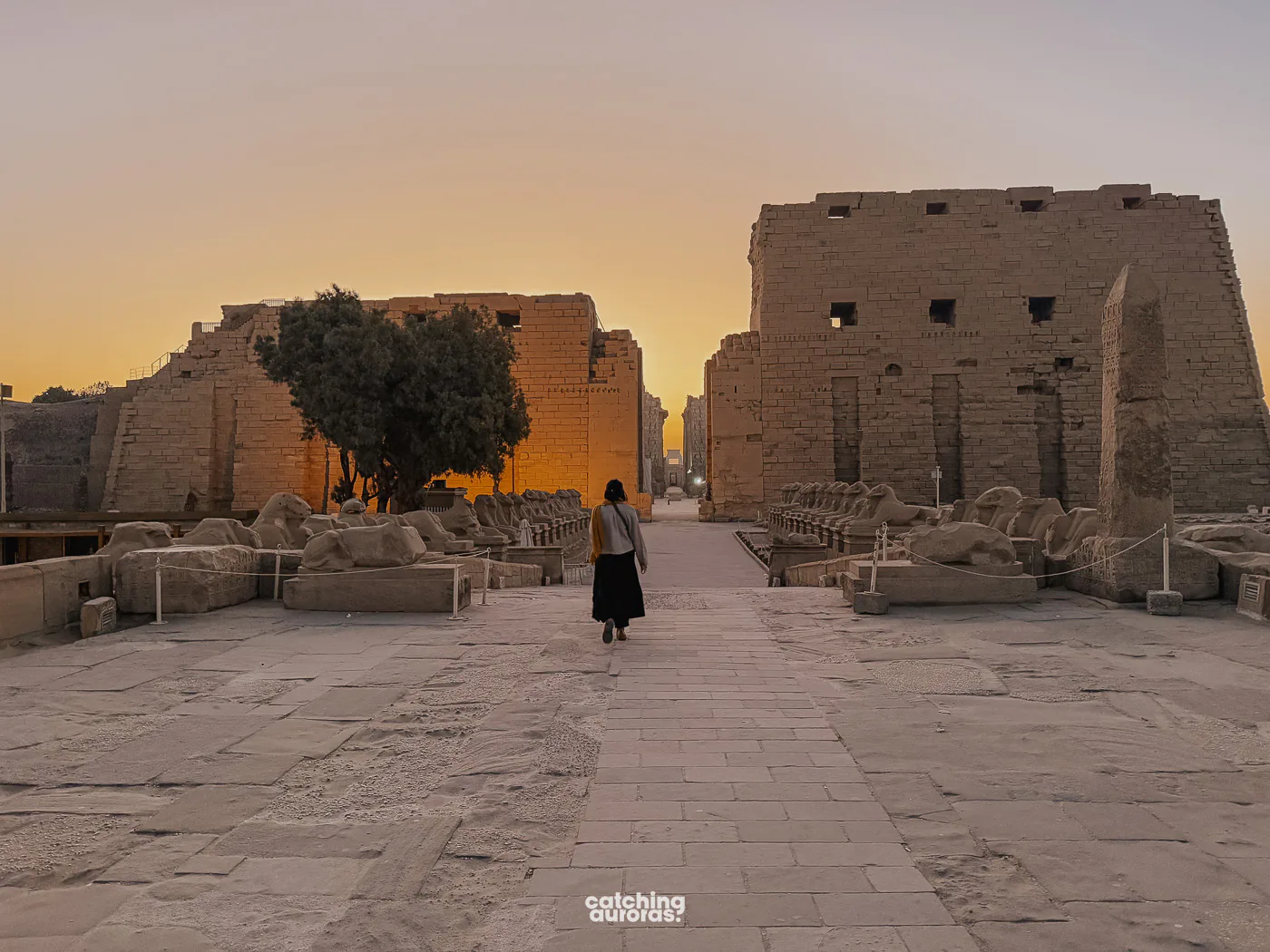
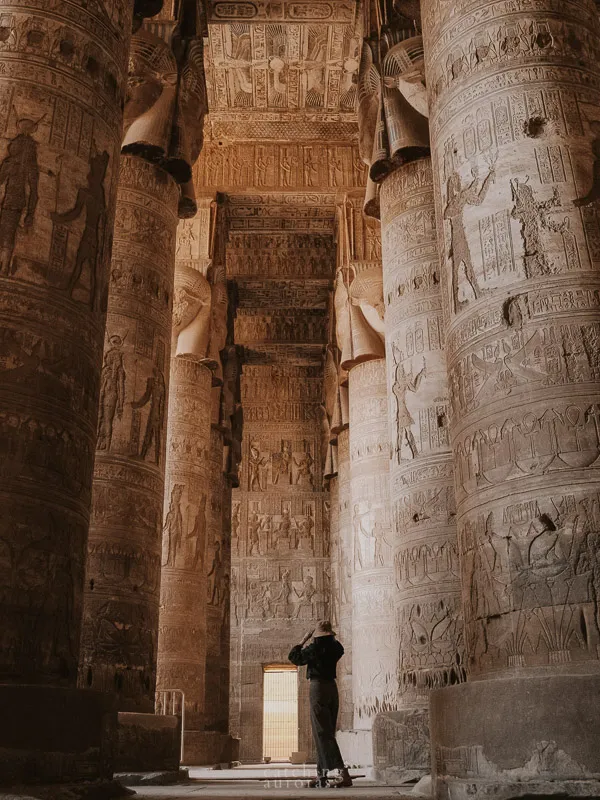
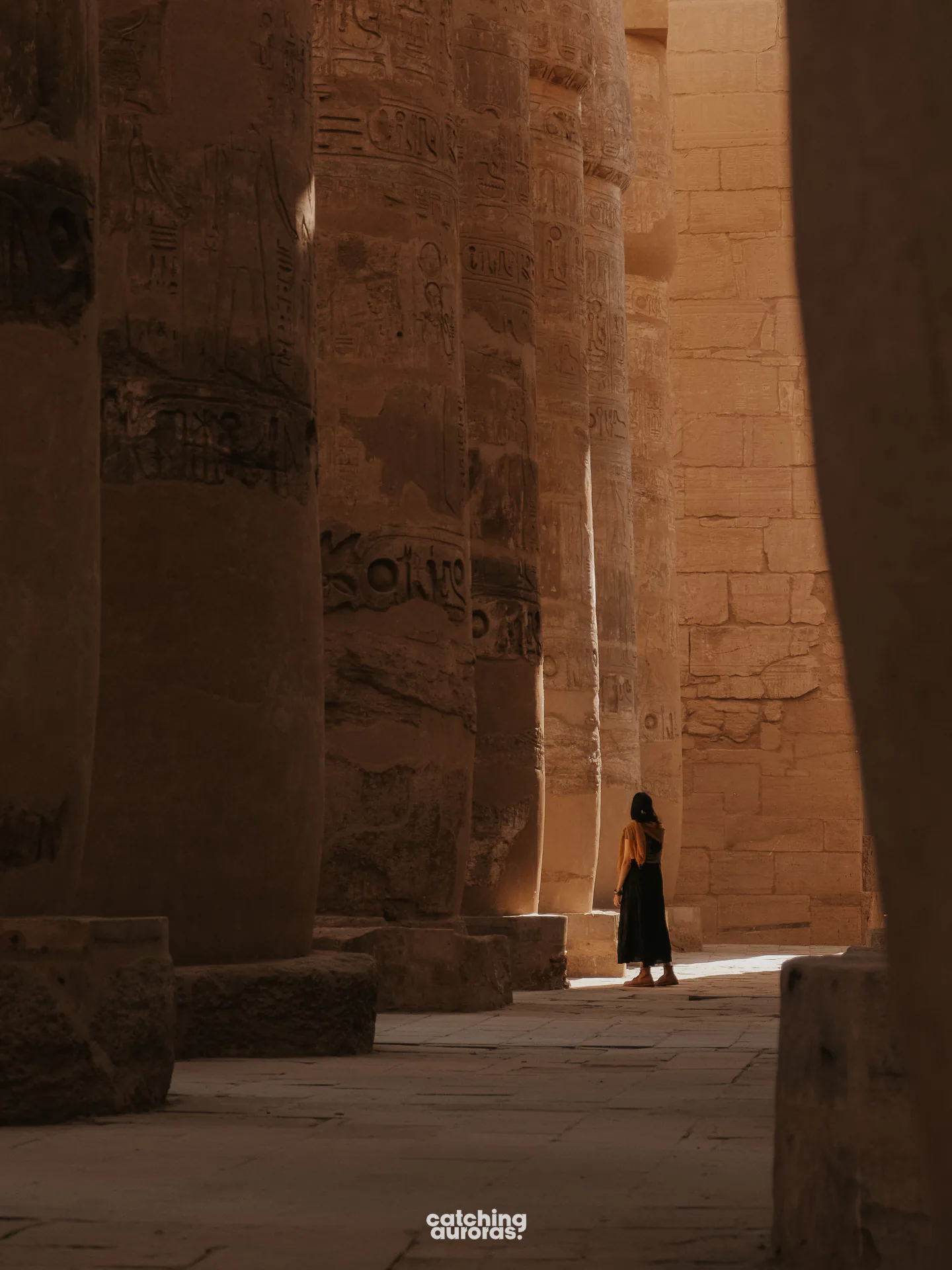
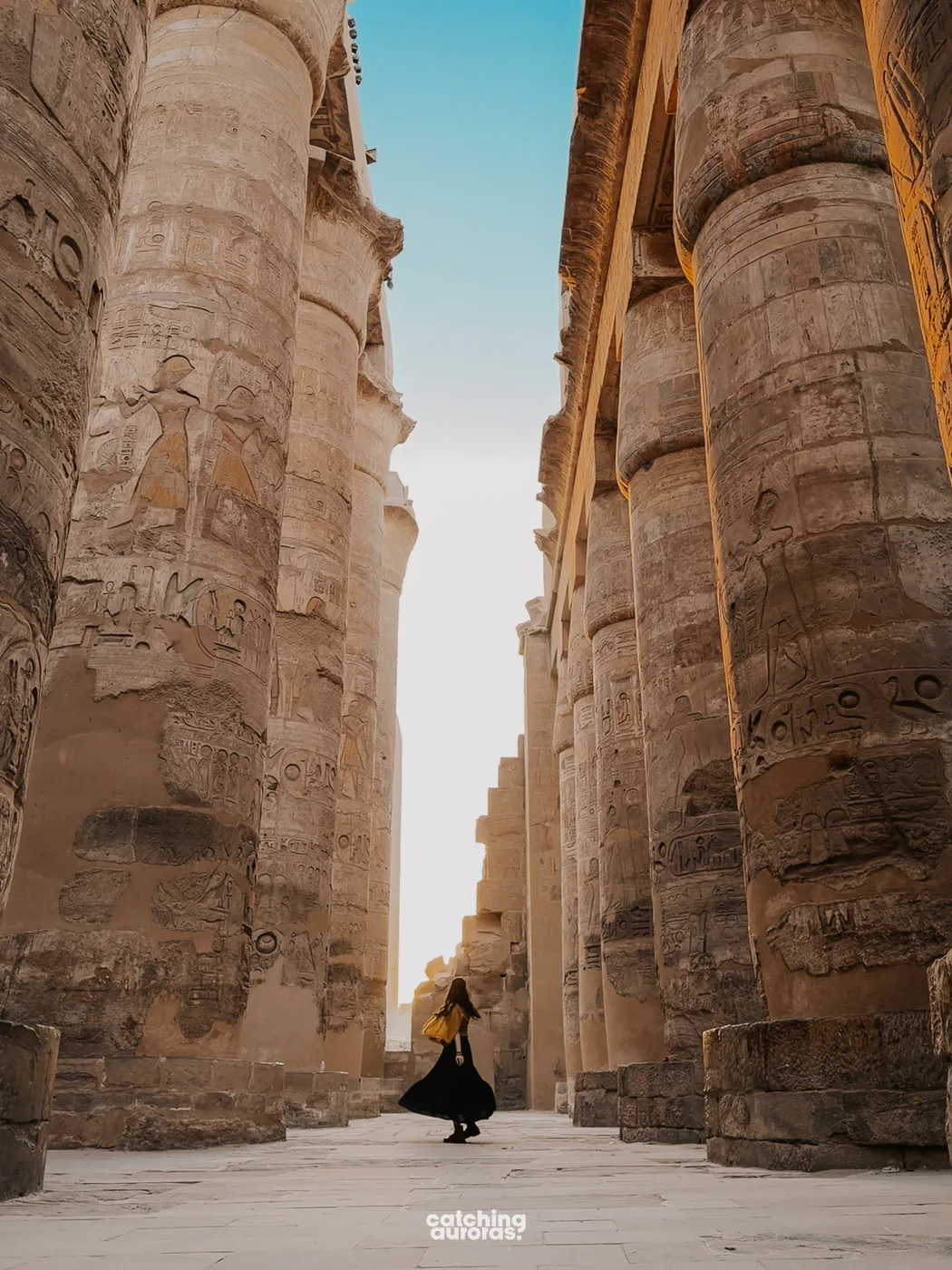
Probably the second-most famous site after the Pyramids of Giza, Karnak is a huge complex built, expanded and claimed by multiple pharaohs. Built over 1,300 years, Karnak is not just a temple. It’s an amalgamation of years of Egyptian history. The main showstopper is the Great Hypostyle Hall: 134 papyrus columns, with the central columns soaring roughly 20 metres high.
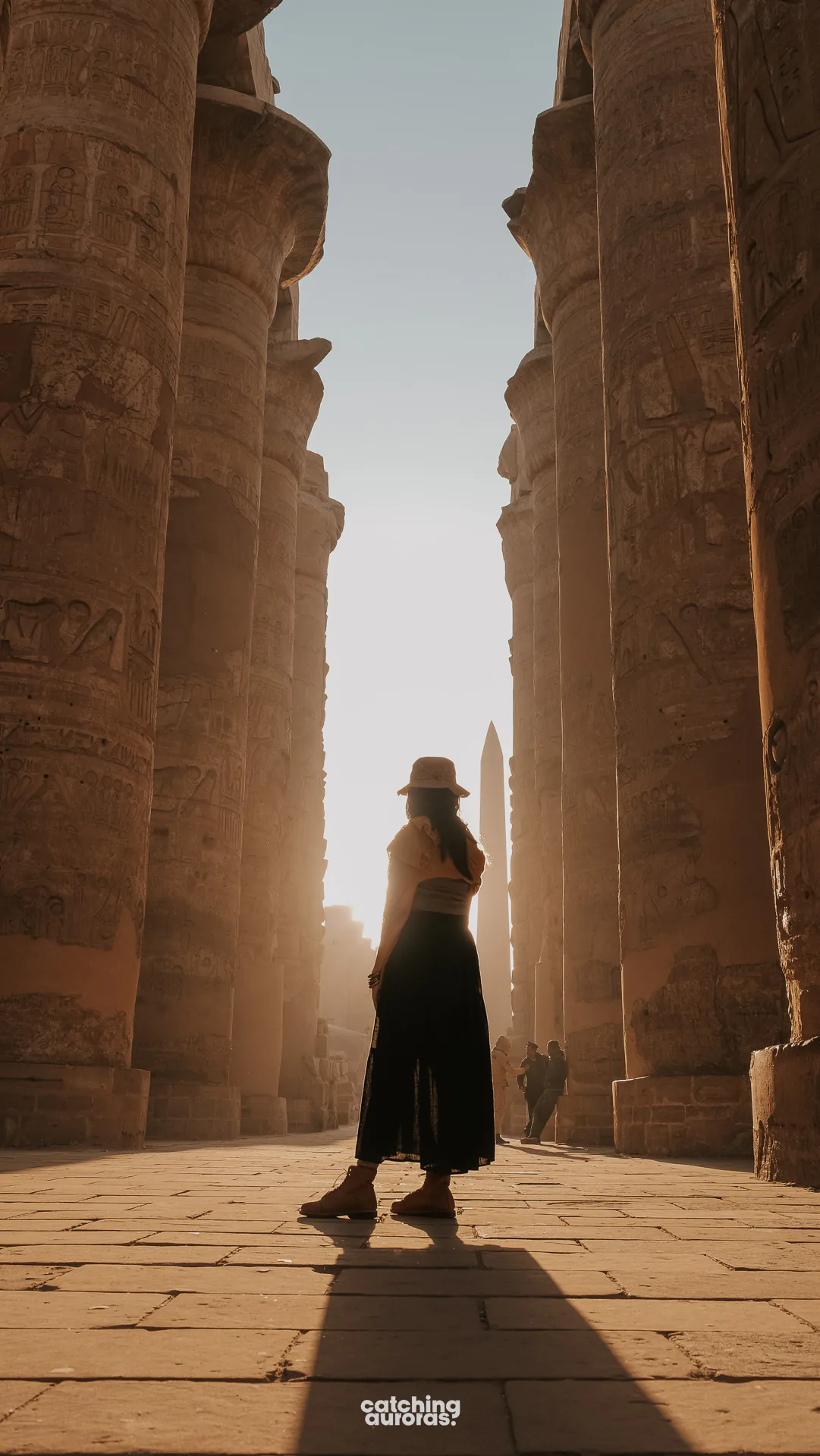
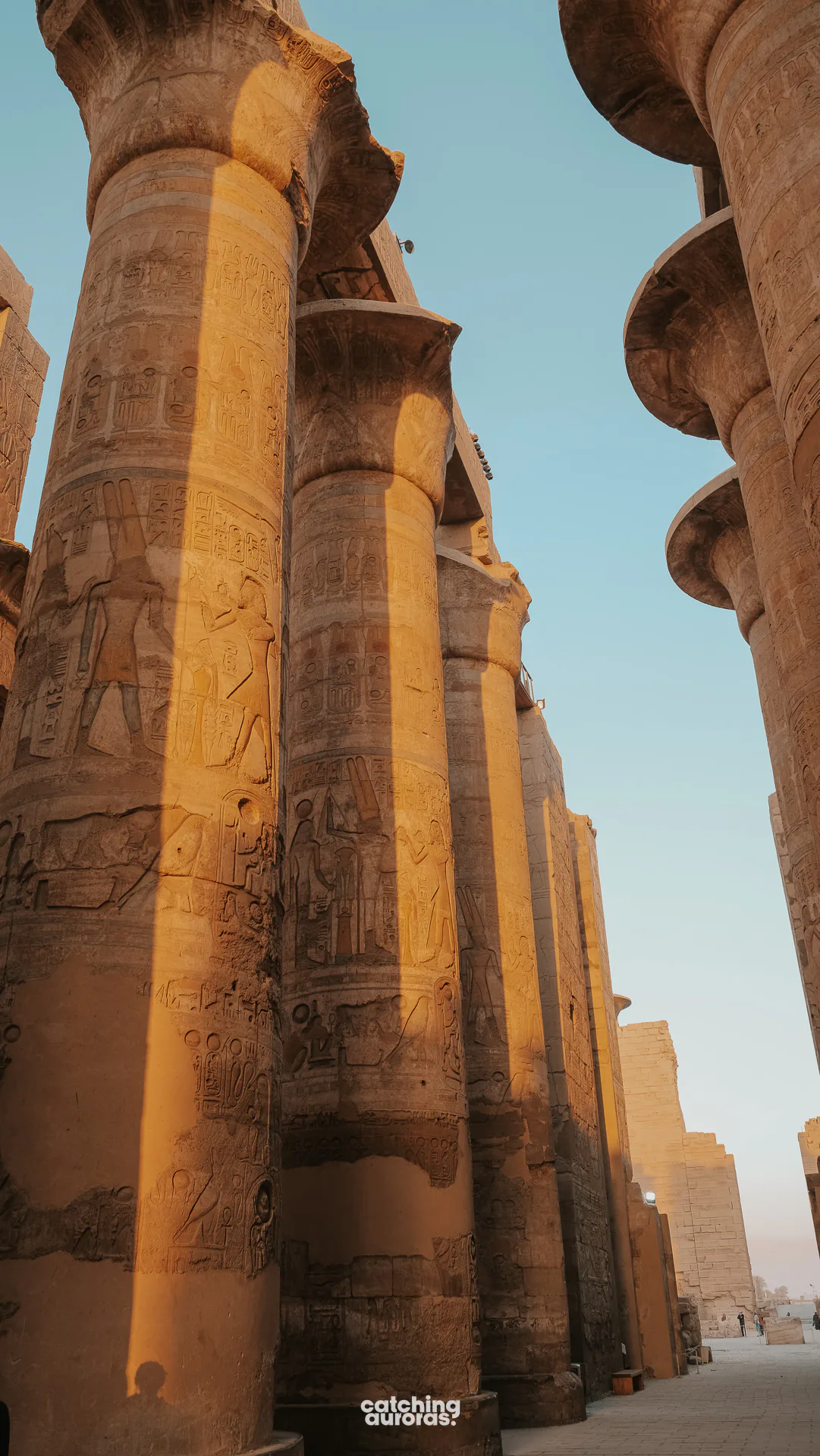
Karnak is enormous and gets loud with tour groups by mid-morning, so go as close to opening as you can to avoid crowds and the heat. We were there before opening and basically had the whole place to ourselves for a long time before anyone arrived.
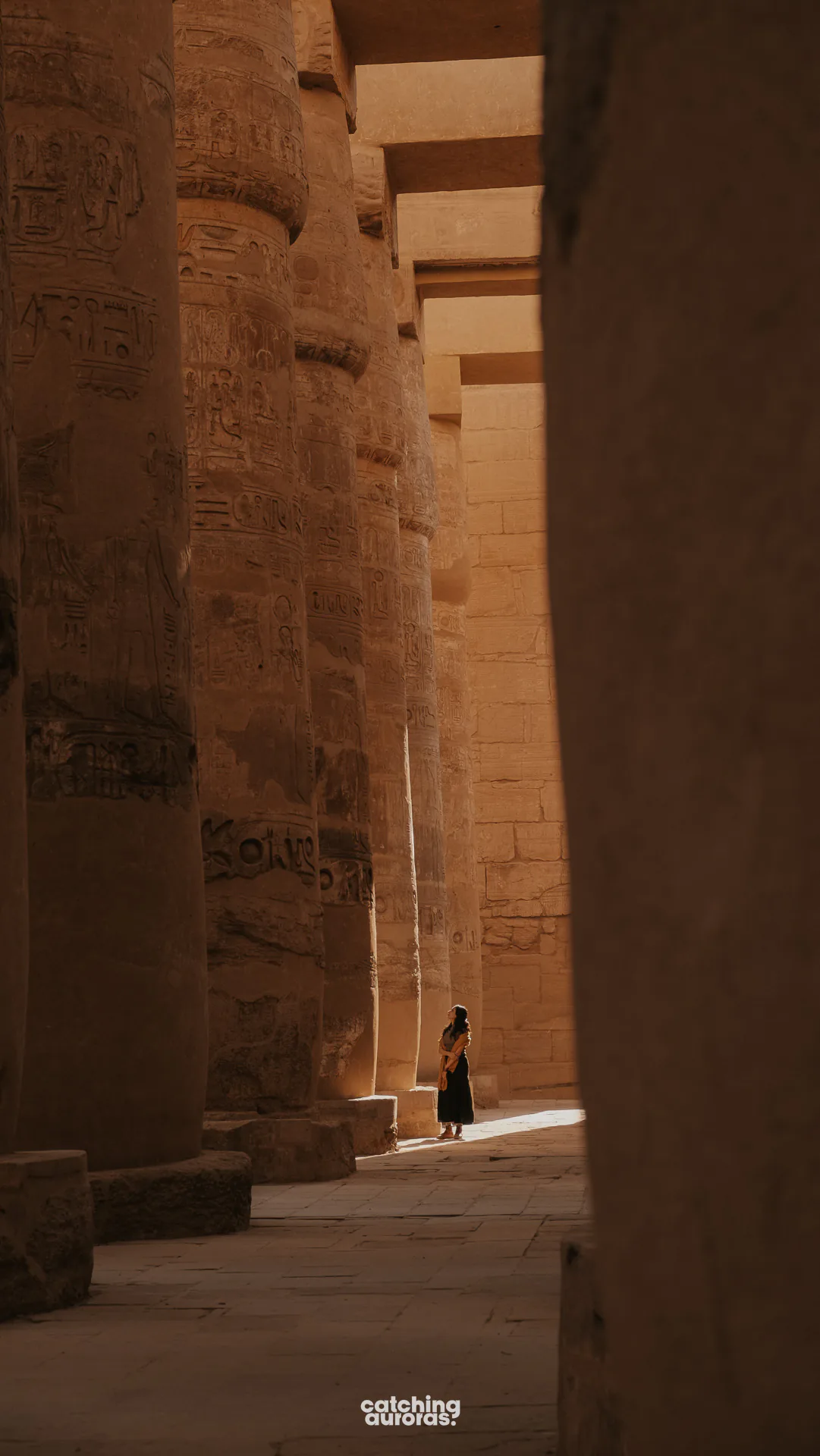
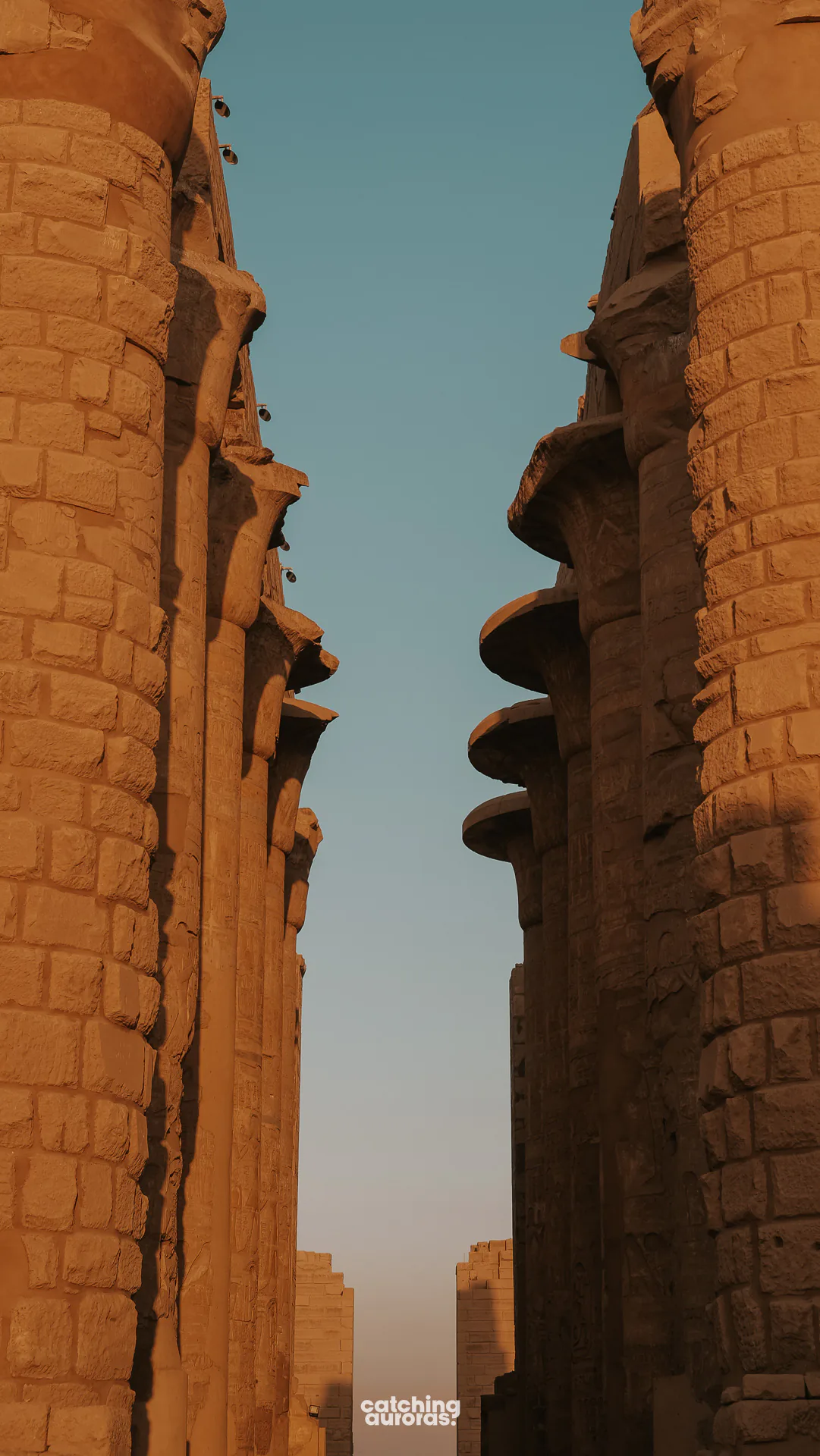
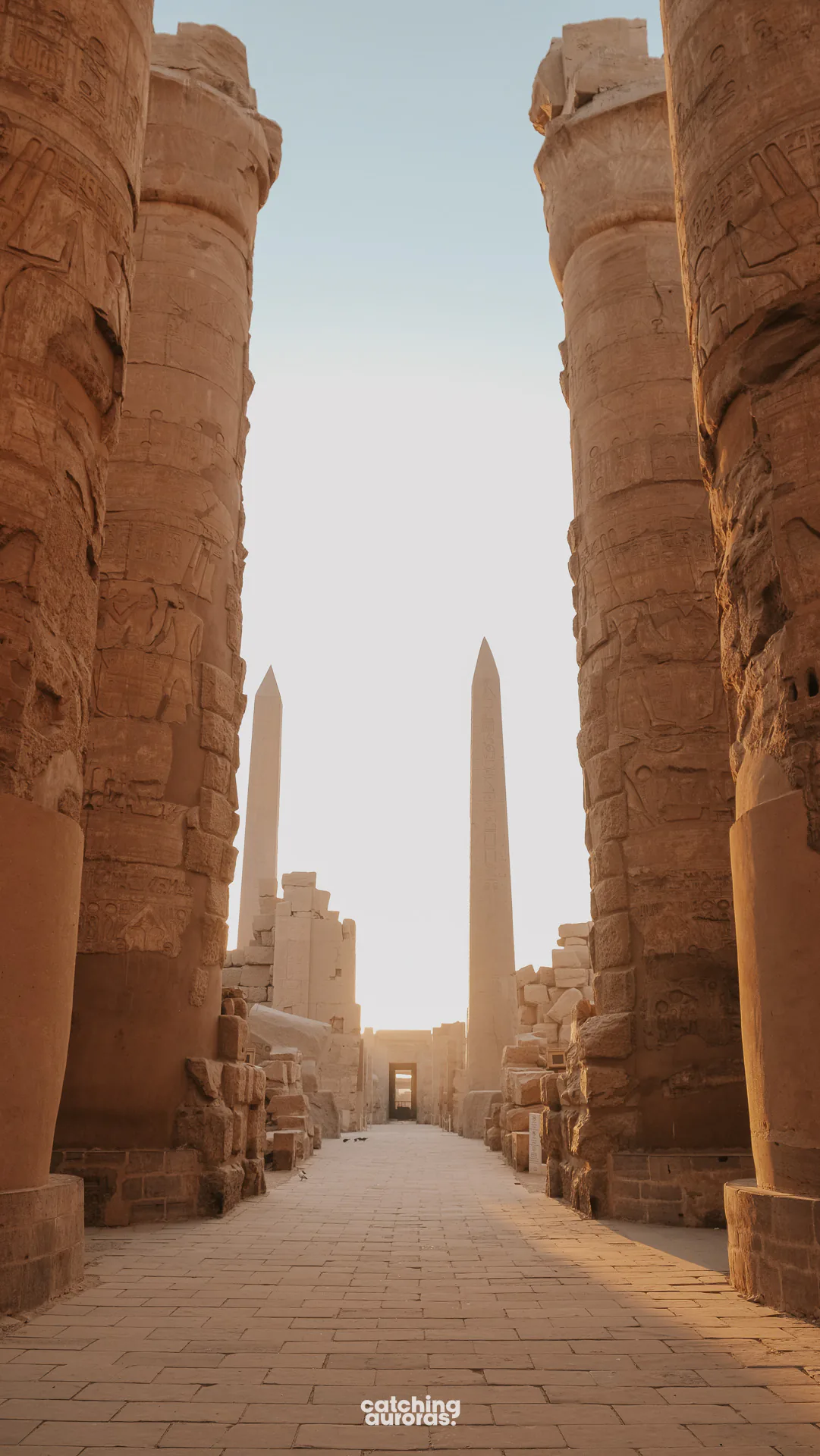
It’s very easy to feel overwhelmed by this temple if you go there without reading up beforehand or without a guide. The place is huge. By now, we have established that I don’t particularly like taking guides (when you can experience something only once, I’d rather not do it with someone rushing me through the whole thing) so I made sure to read up a lot of travel guides beforehand and listened to an audio tour on YouTube while I was there. Set aside at least 3 to 4 hours to fully explore the temple.
Luxor Temple: save it for late afternoon or after dark
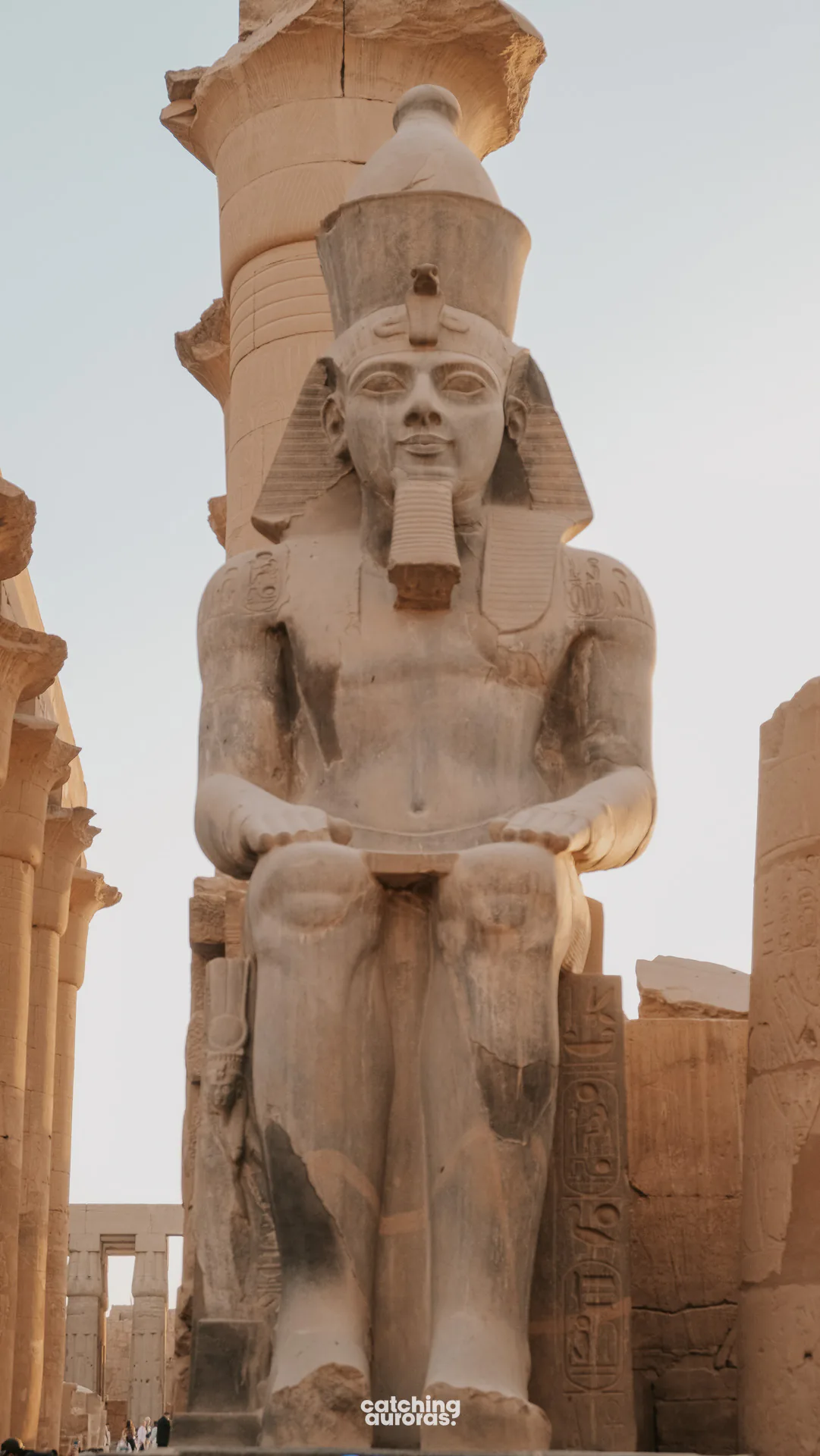
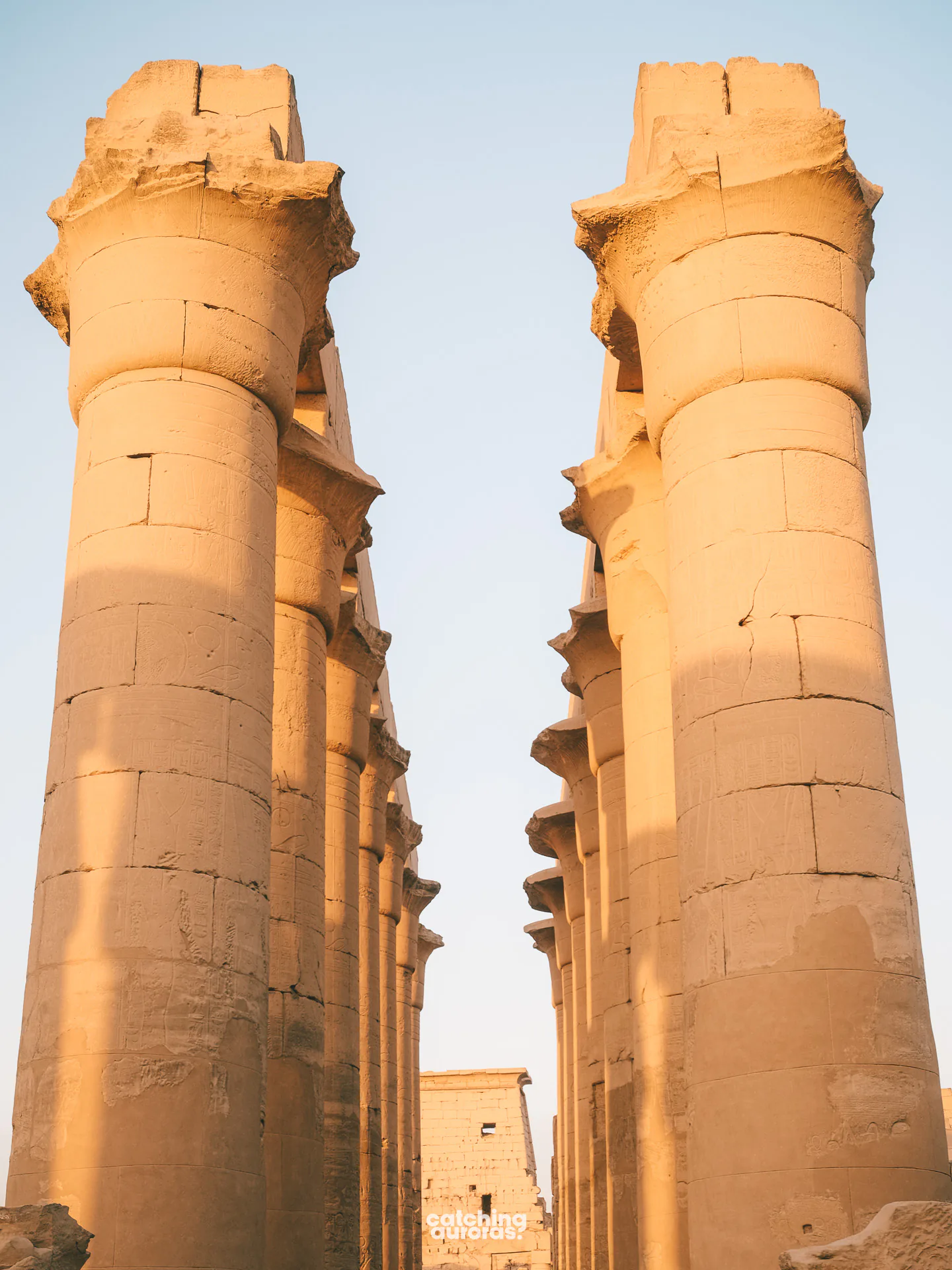
Luxor Temple is smaller than Karnak, but it has a completely different mood. It was connected to Karnak by the Avenue of Sphinxes, which played a central role in the Opet Festival, when the god Amun travelled between the temples. Today, the avenue is open, though I wouldn’t recommend walking the whole way.
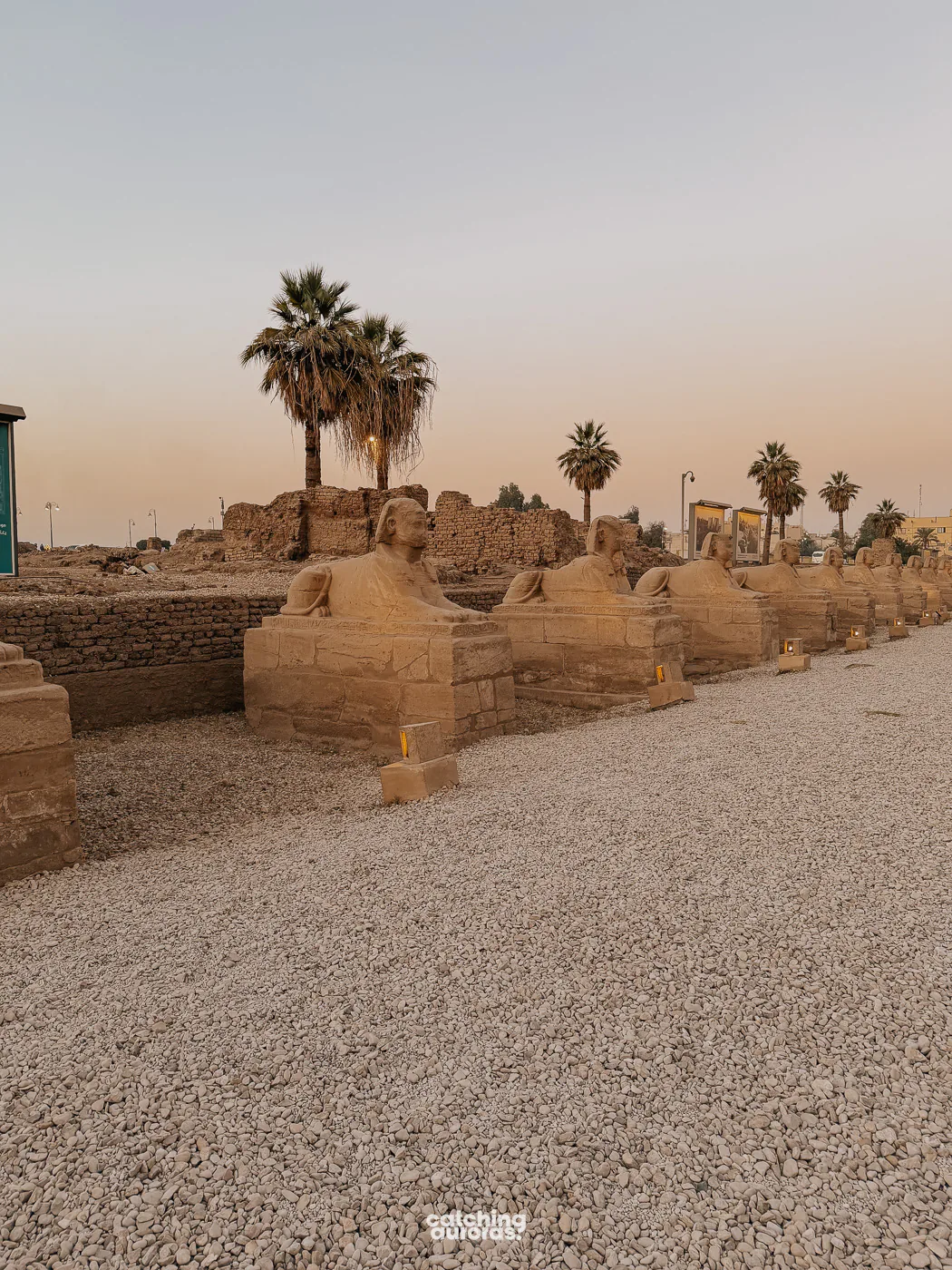
Try to visit Luxor Temple late in the day, then stay after the lights come on. The temple is one of the few sites open until late (8 PM in winter; 9 PM in summer). There’s a Sound and Light show on most evenings, but I would skip it – the production is not great and the one at Abu Simbel is much better. The temple is much more impressive as is with its beautiful columns lit up at night.
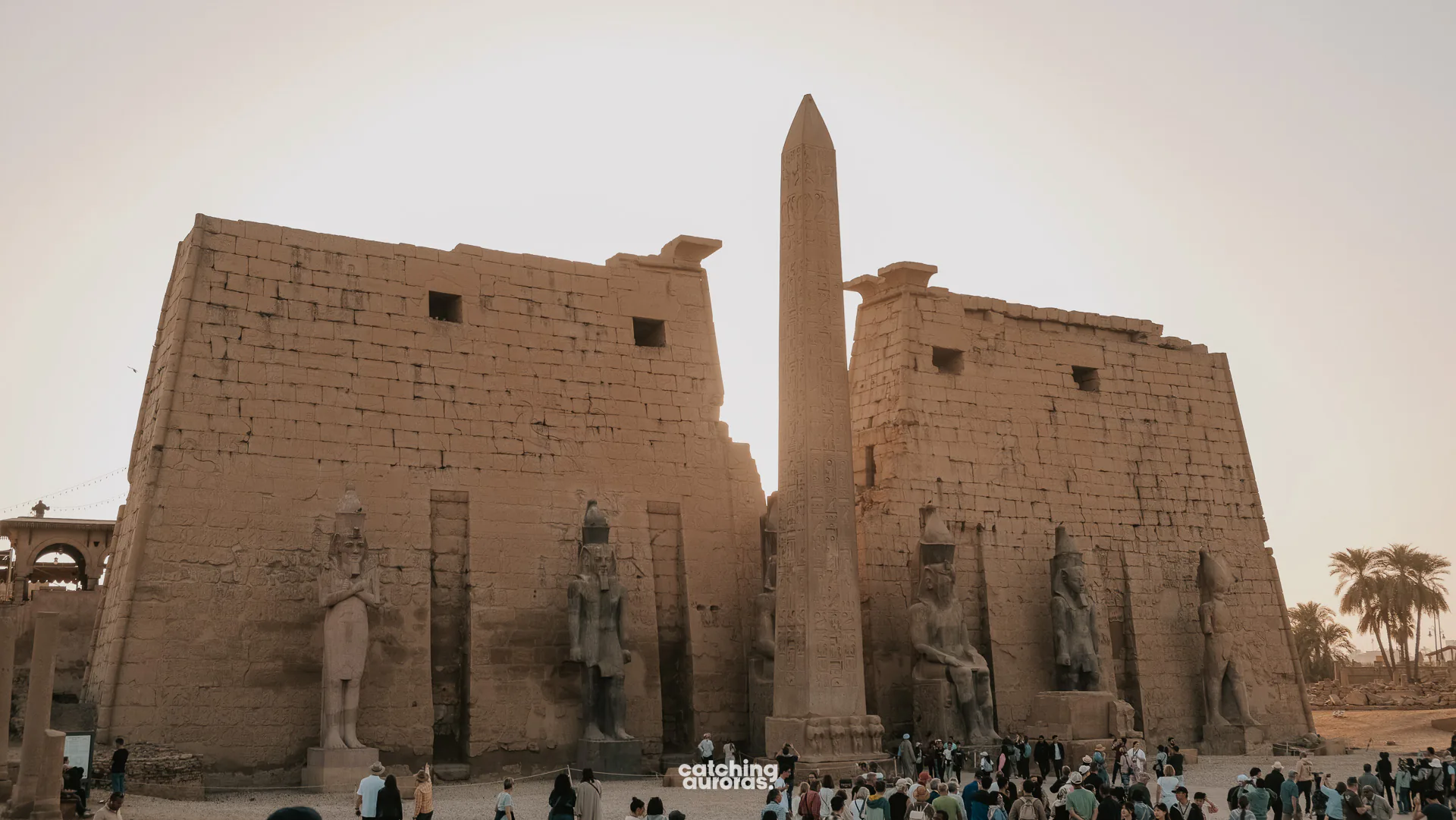
Do not miss the layers of history here: ancient Egyptian temple, Roman-era alterations, a church, and the Abu al-Haggag Mosque built within the complex.
Add these if you have time: Luxor Museum and the Mummification Museum
The Luxor Museum is calm and cool after the sensory overload of the temples and the air-conditioning is a blessing after walking outside in the heat all day. Go if you want to see selected artefacts from various tombs and understand more of what you have been looking at all day. The Mummification Museum is small and much more niche; worth it if it interests you, skippable otherwise.
West Bank: Valley of the Kings, Hatshepsut and more
The West Bank in Luxor needs a full day, at minimum, and if you are really into history, it can keep you occupied for days. While being famous for the Valley of the Kings, the West Bank has no shortage of sites if you have the time. It’s also not possible to walk to all of these sites on your own – most of the big sites are spread along a hot, dusty stretch of road. Organise a driver, taxi or tour for the day. I’ll also tell you below how you can get to the West Bank from the East Bank and vice versa – especially if you are DIYing this trip, like me, and don’t have a guide or a tour van waiting on you.
Valley of the Kings: choose your tombs wisely
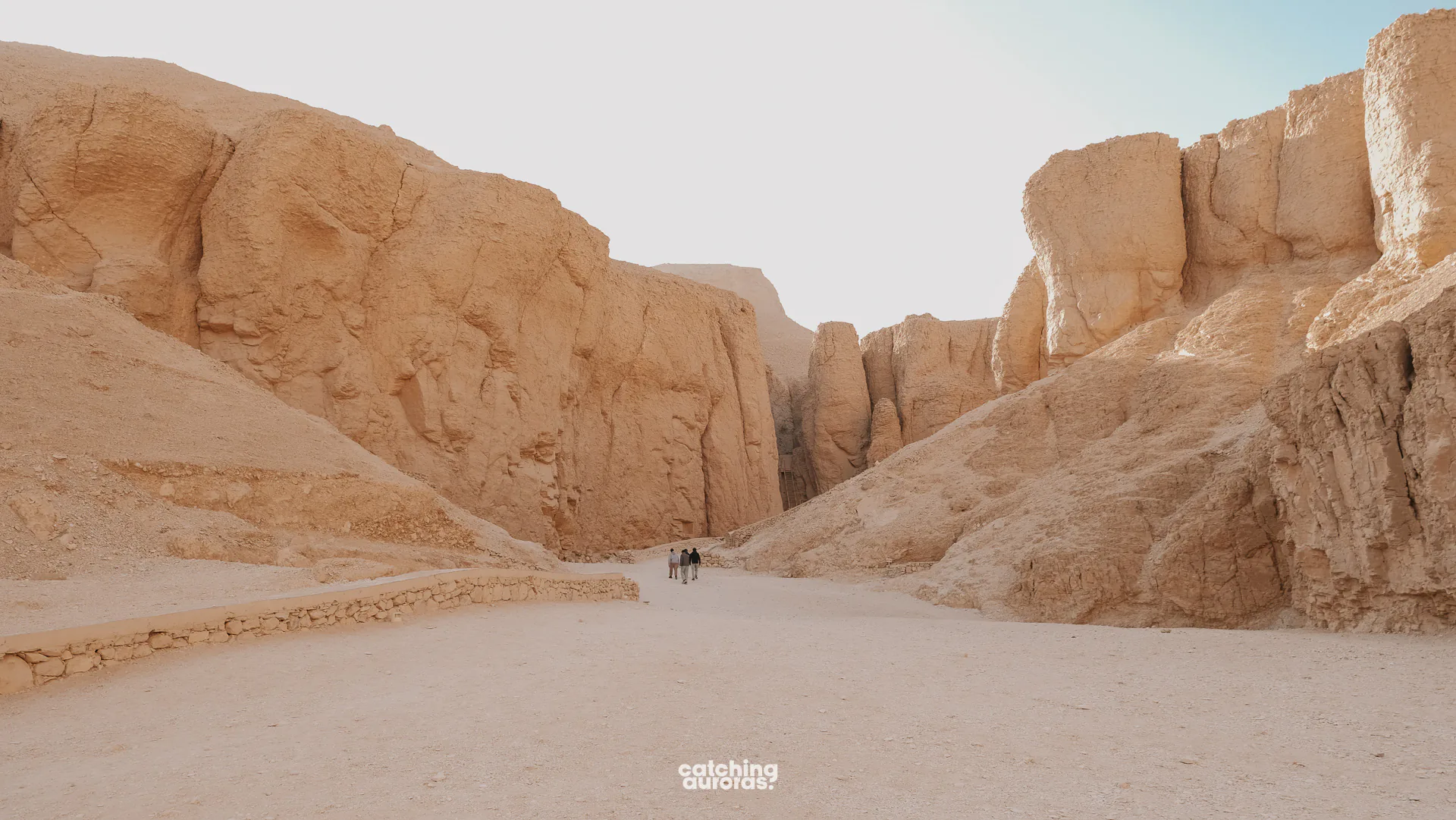
The Valley of the Kings – the other obvious reason people come to Luxor – deserves all the hype. If you are someone who grew up reading about the discovery of Tutankhamun’s tomb, this place will hold an even more special place in your heart.
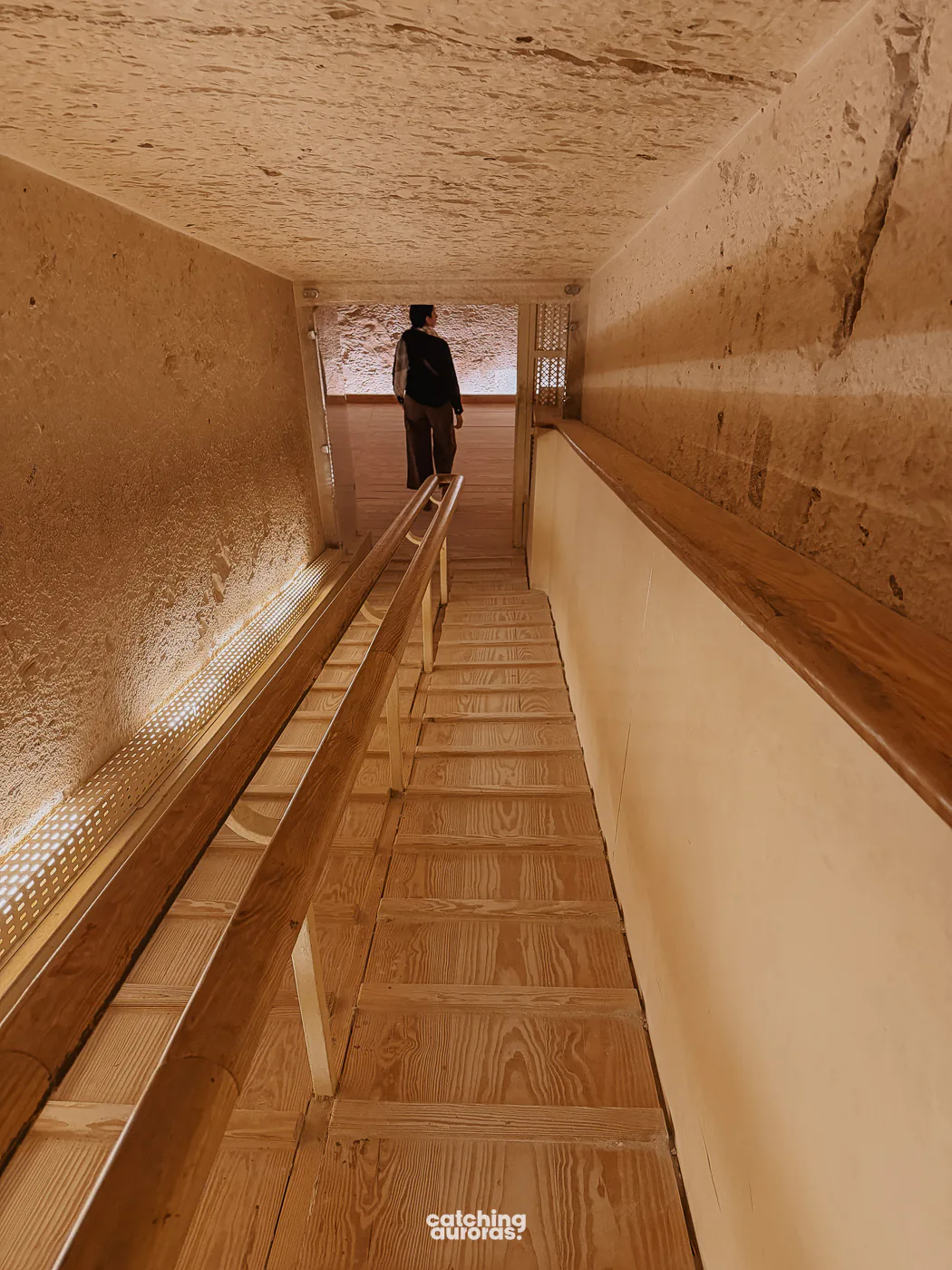
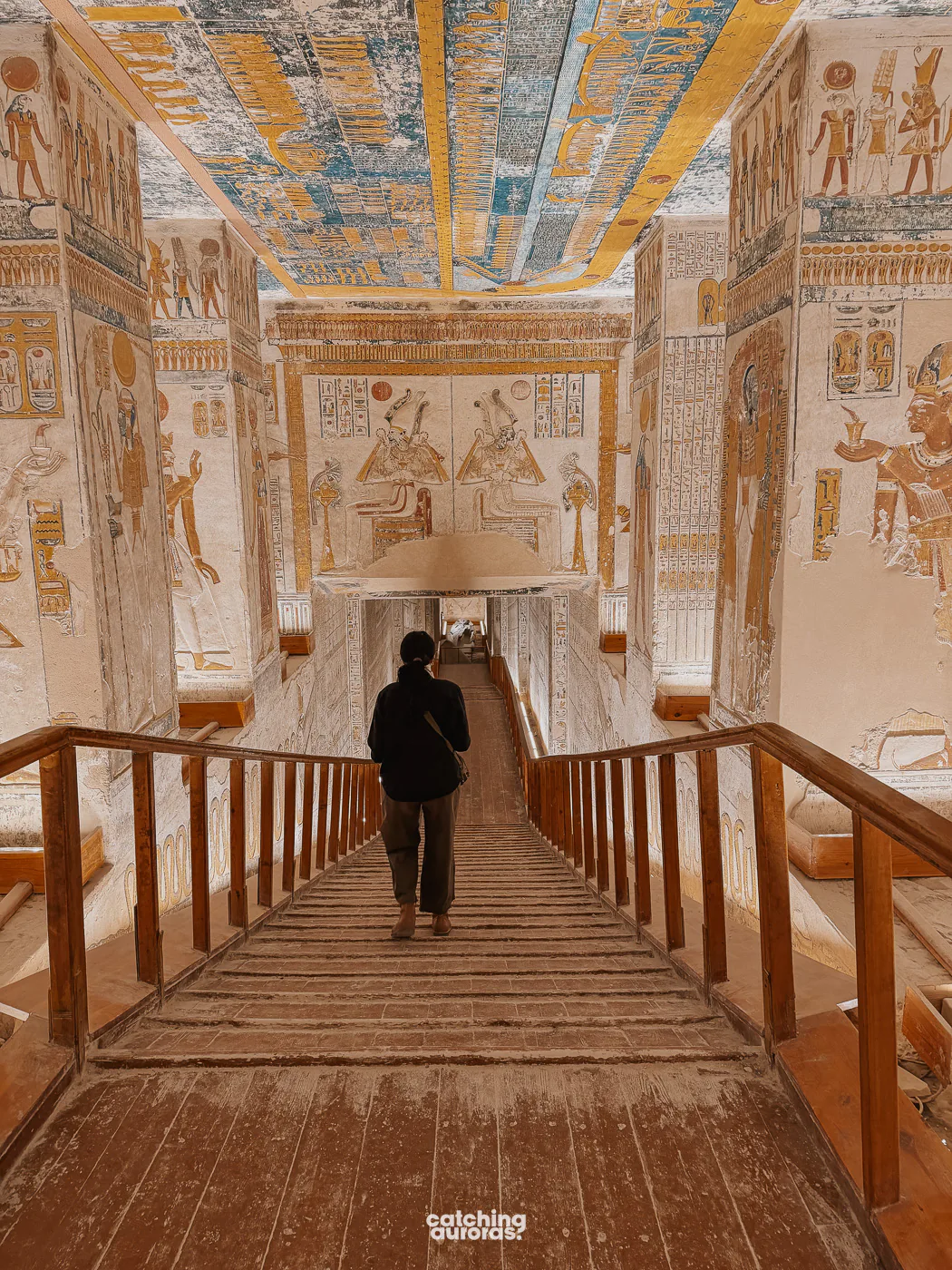
Once the pharaohs realised the pyramids were a beacon to robbers, they started burying their kings in rock-cut tombs. Royal tombs were cut into the limestone here to protect them from looters. This was not a foolproof plan, as history eventually demonstrated, but since most of these tombs were sealed for centuries, the paintings that remain are extraordinary.
Out of the sixty-three tombs discovered, around 11 are open at any given time. The standard entry ticket includes a set number of tombs, while certain tombs like that of Seti I and Tutankhamun need additional tickets.
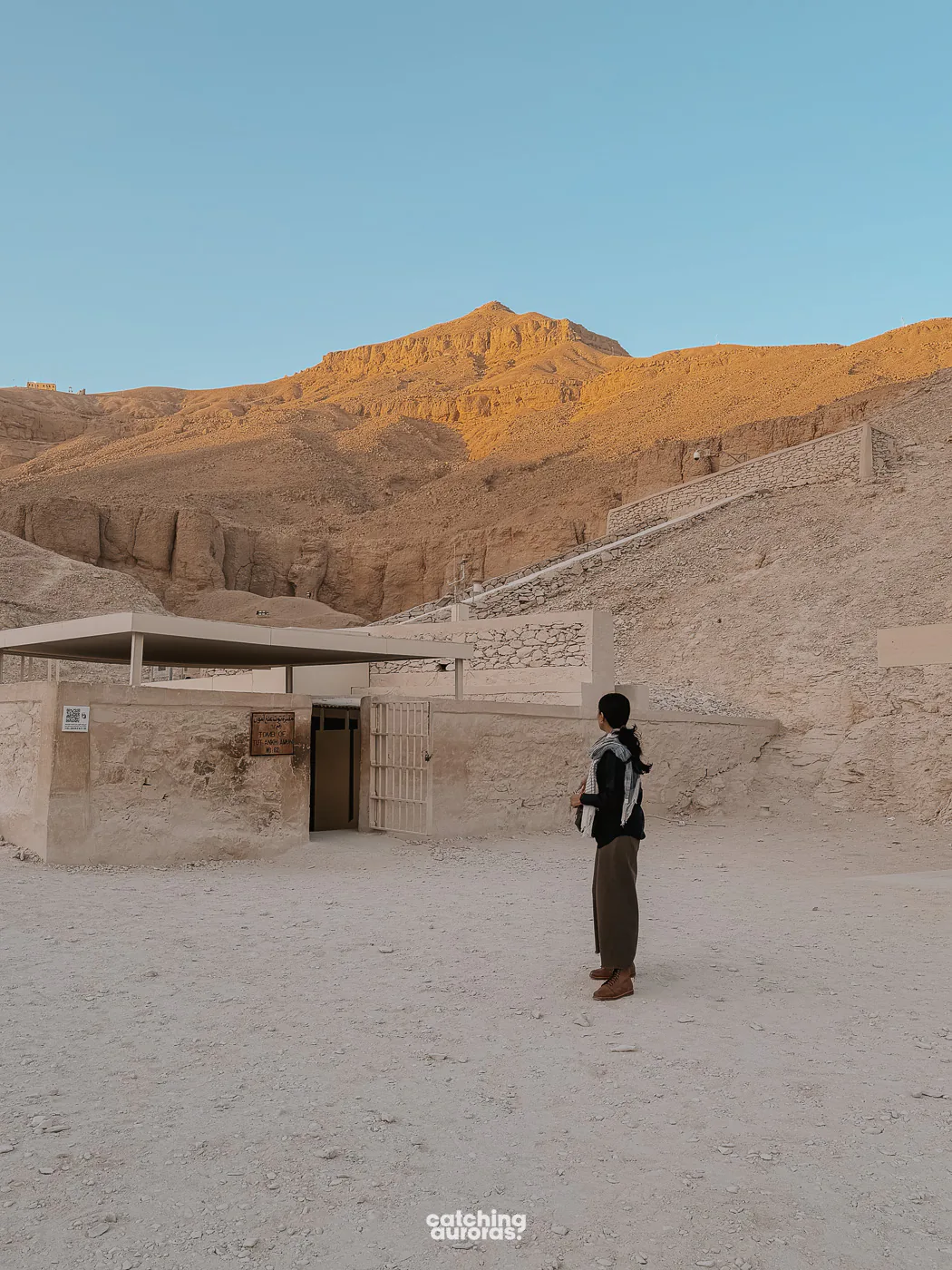
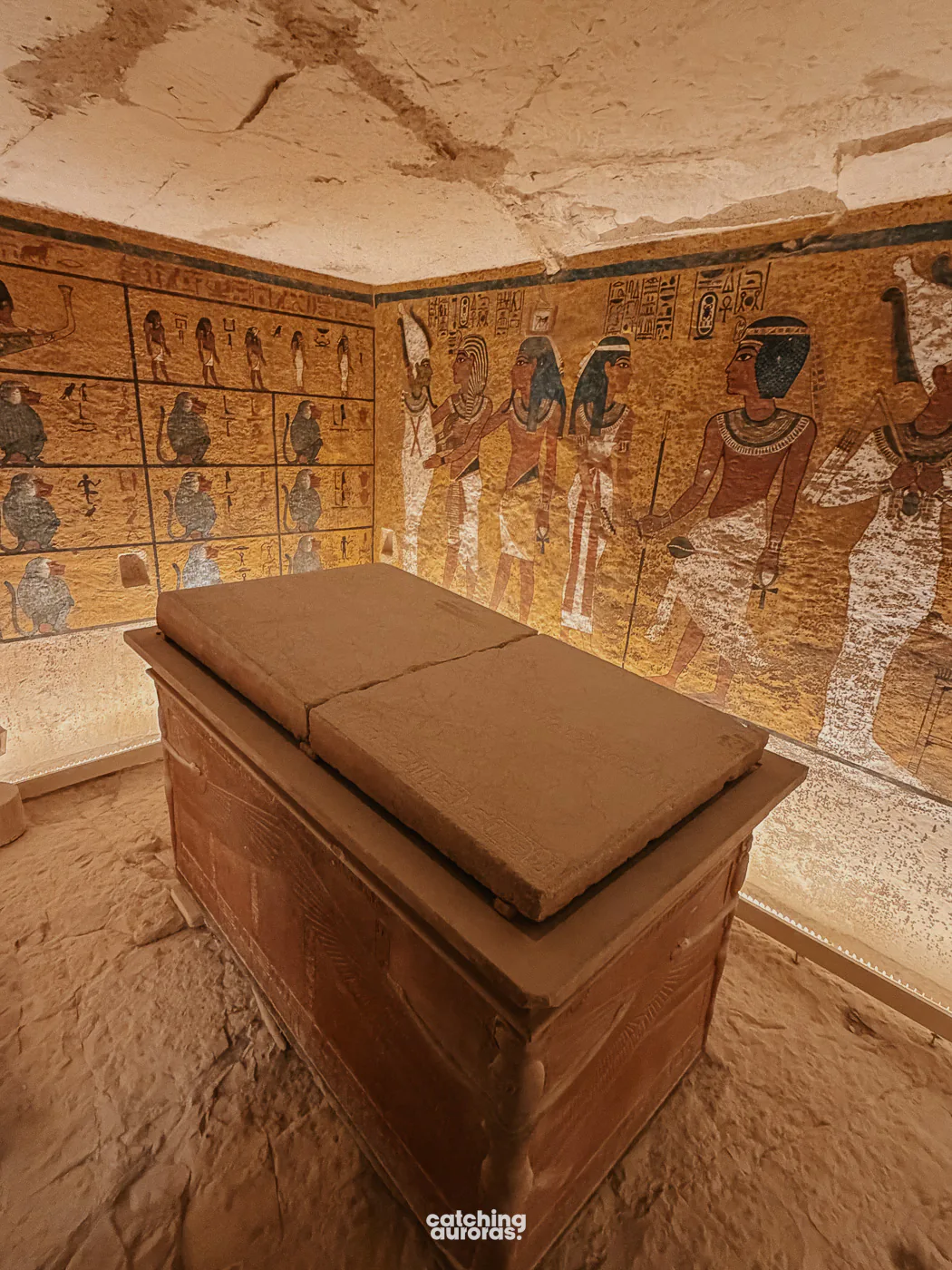
The tomb of Tutankhamun was an emotional choice for me, but it is small and not the most visually overwhelming. All of the artefacts found here are currently on display in the Grand Egyptian Museum in Cairo. Seti I’s tomb is the best preserved and it costs a bomb to enter. If you are not buying any additional tickets, use the standard ticket and choose your tombs wisely as you get to enter only three.
Get to the Valley of the Kings as early as possible. All tourists end up here eventually and it’s hot and humid inside the tombs as the sun goes higher. It’s not something you want to experience with hundreds of others sharing your oxygen.
Temple of Hatshepsut: do not reduce her to a photo stop
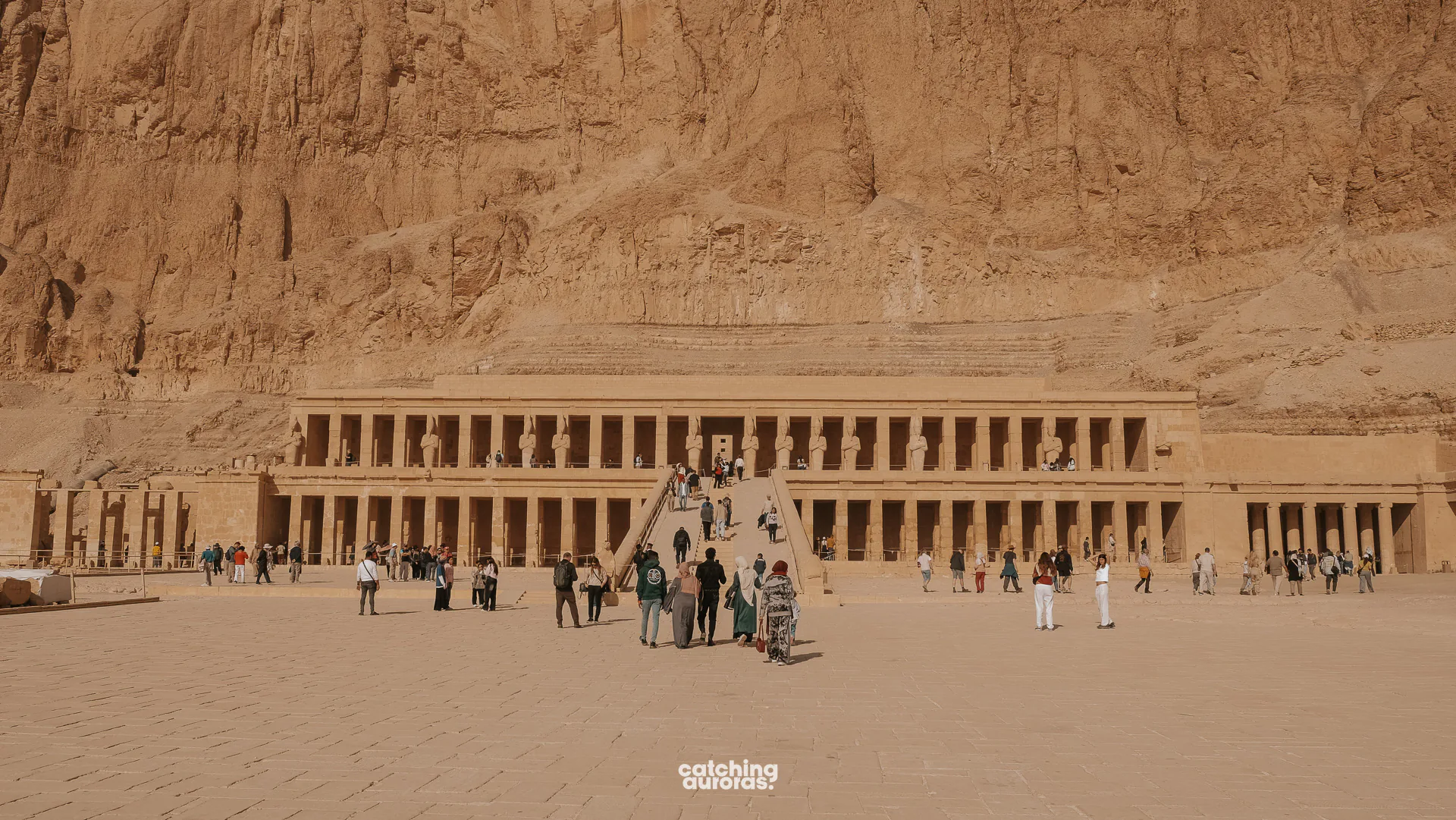
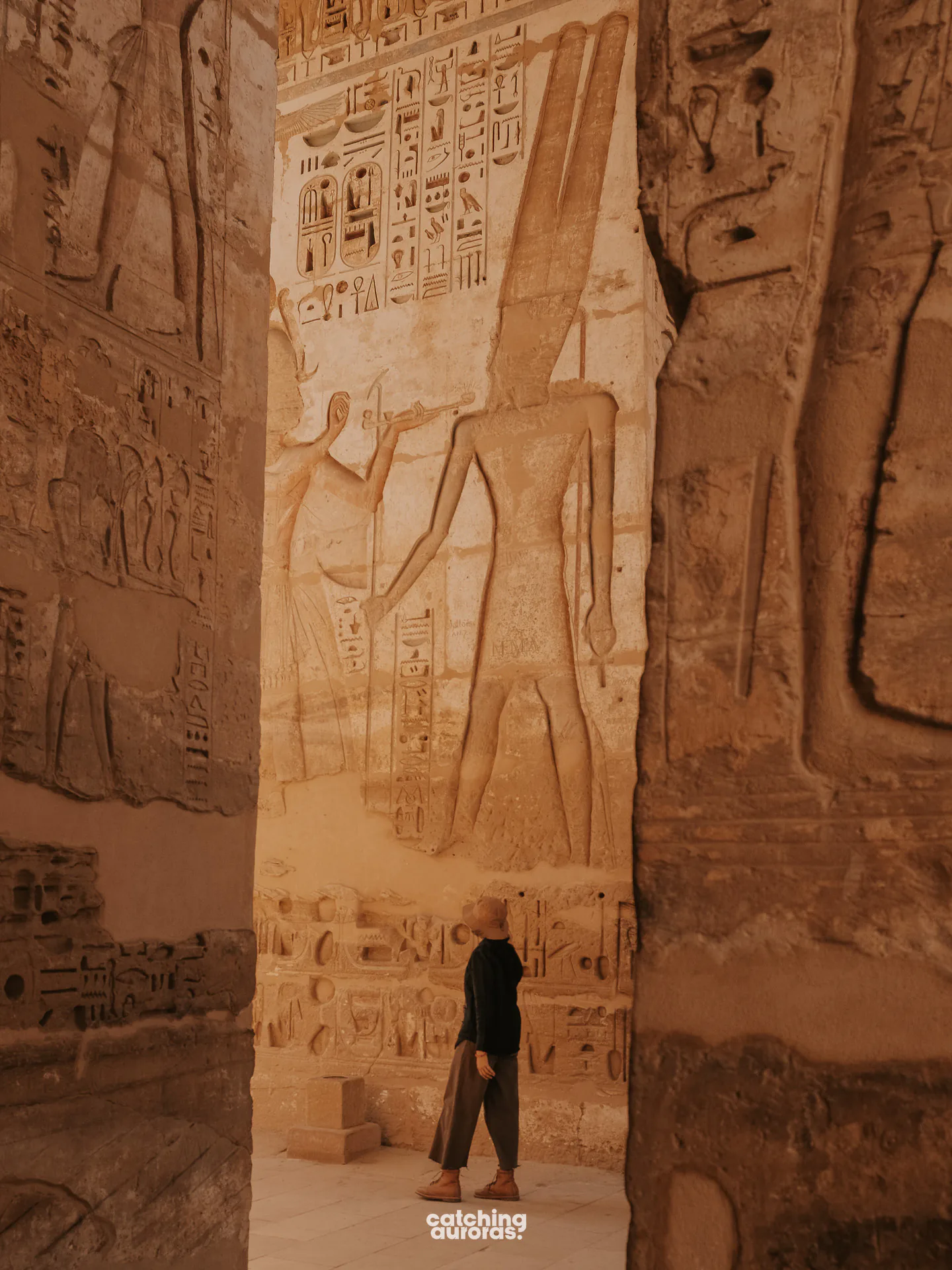
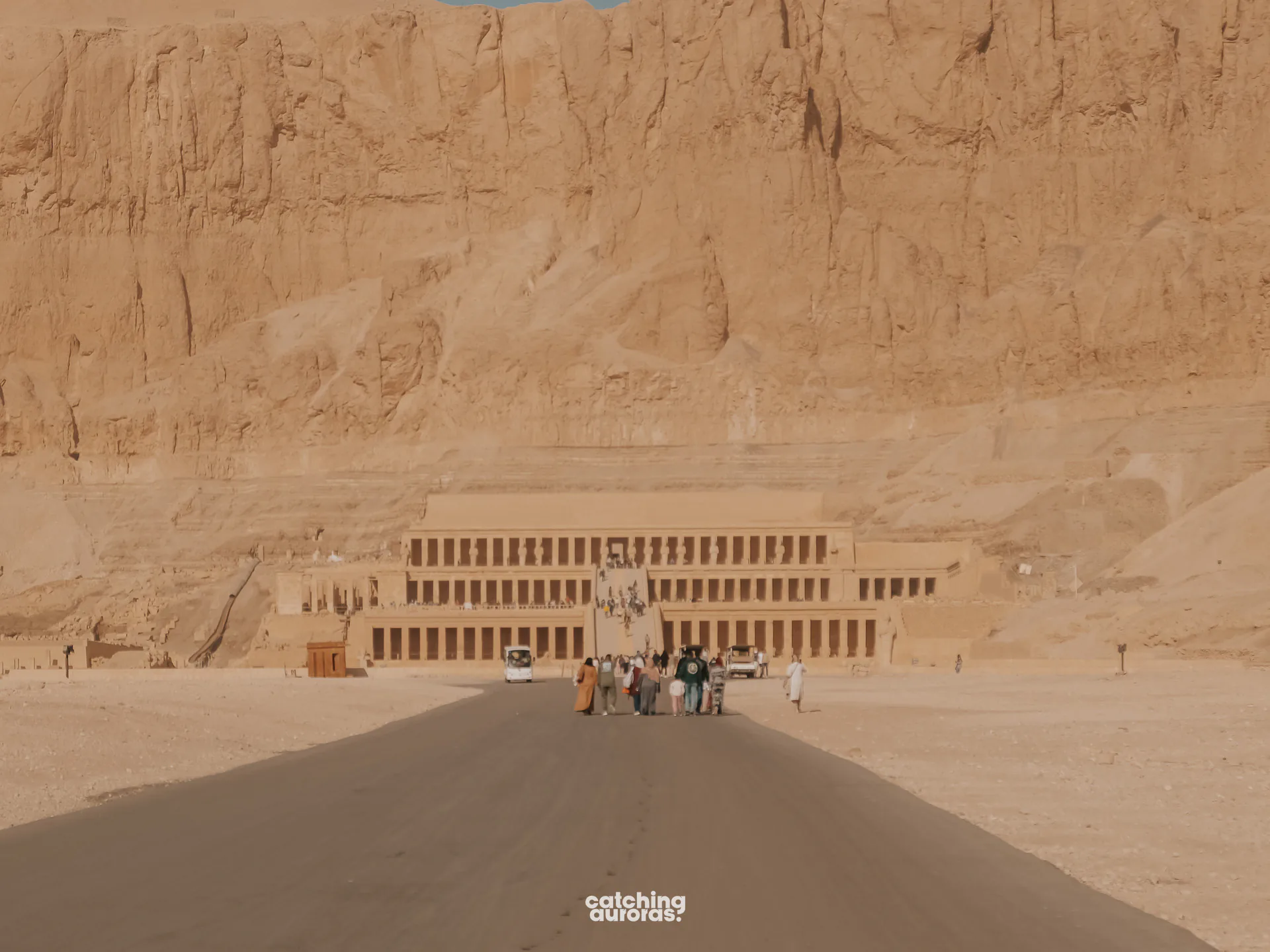
The Temple of Hatshepsut at Deir el-Bahari is a breathtaking sight, placed so perfectly against the cliffs behind it. Hatshepsut was one of Egypt’s most successful pharaohs, and this mortuary temple was built to make that impossible to forget. After Hatshepsut’s death, parts of her image and name were removed from monuments during the reign of Thutmose III, her successor and stepson. Later rulers altered the temple further, and Christians eventually used part of the complex as a monastery.
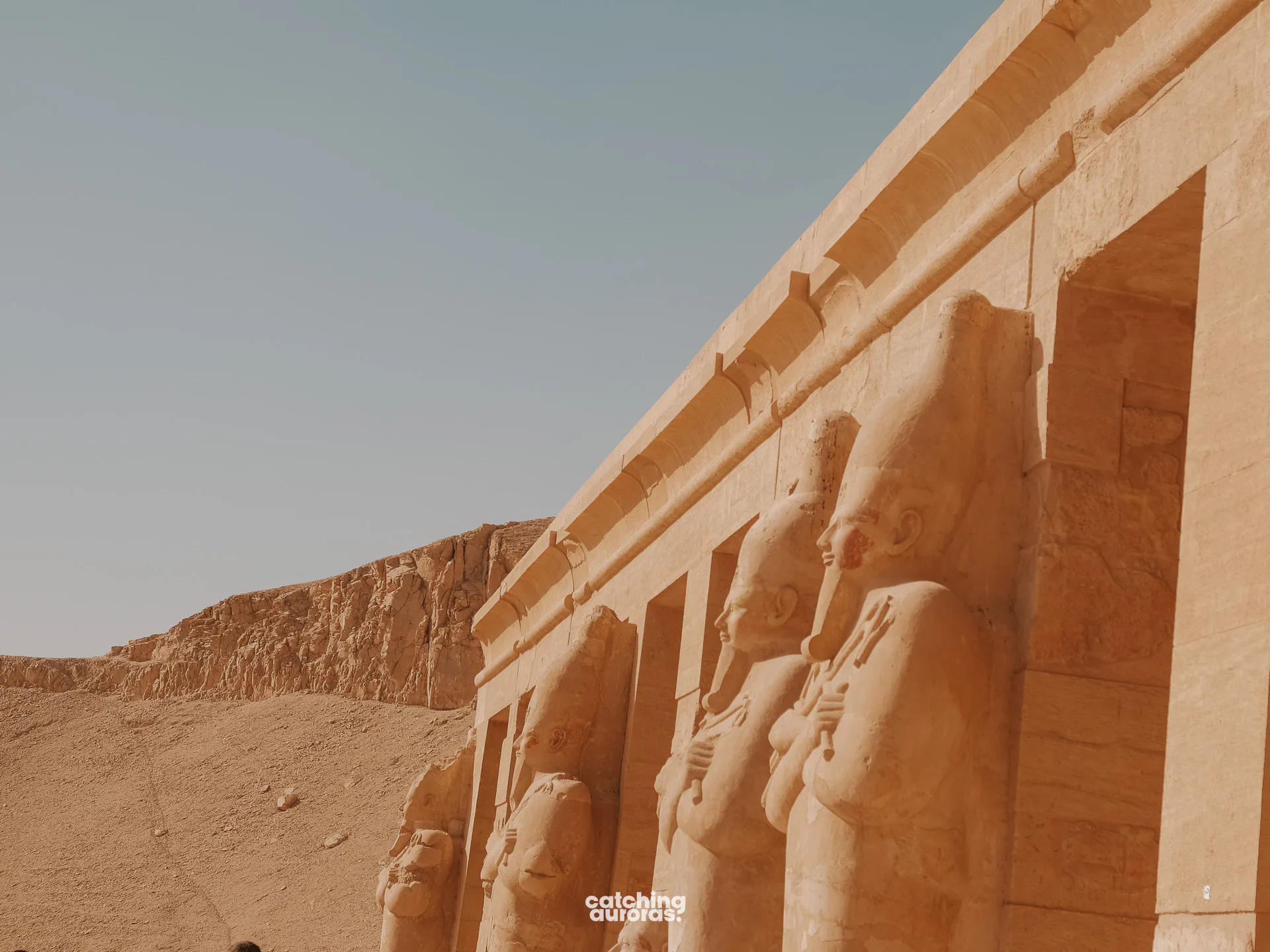
Look for the reliefs of the expedition to Punt and the scenes around her divine birth. Read about Hatshepsut and her reign before your visit to get more context.
The Ramesseum – my personal favourite
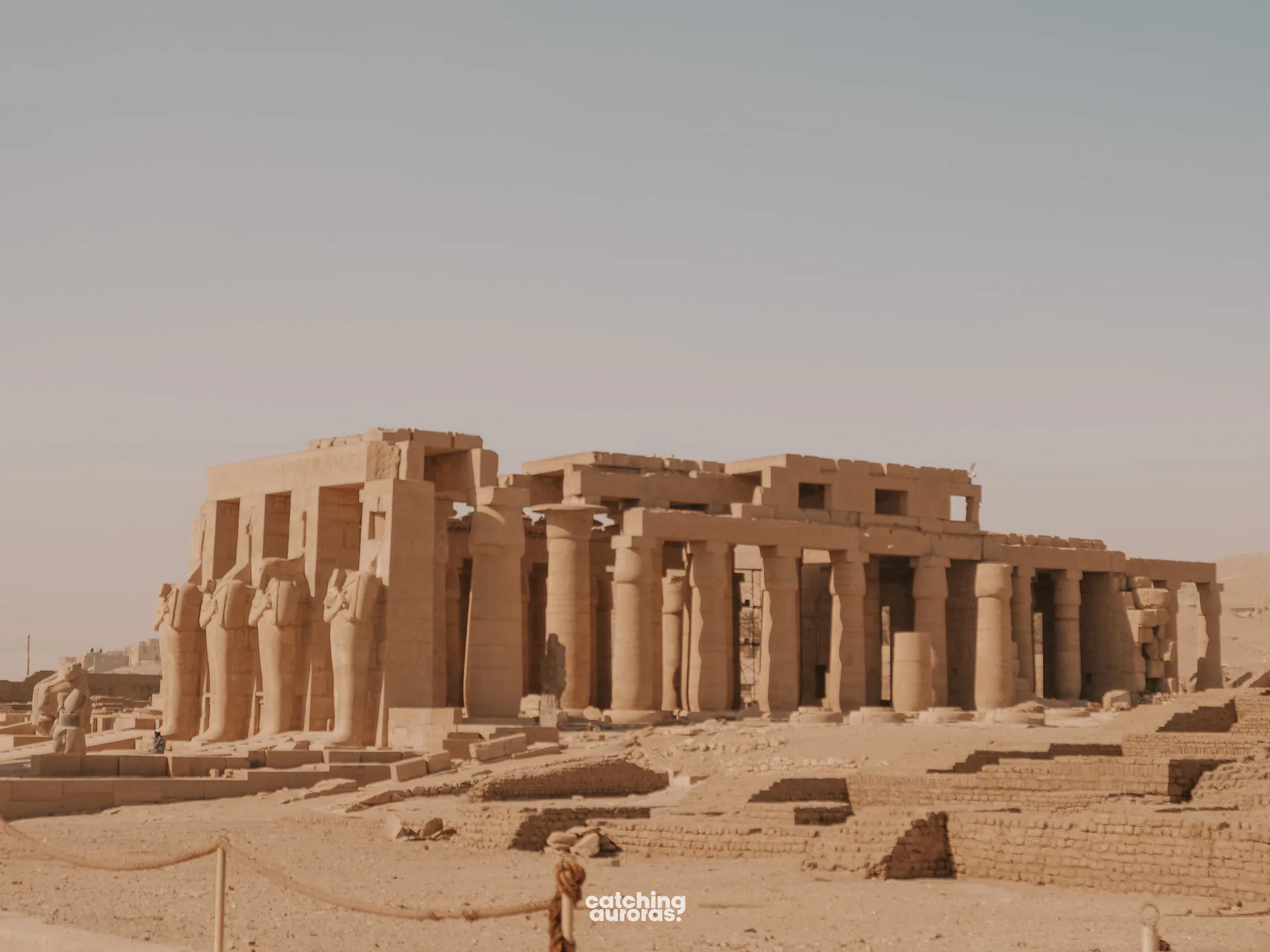
This mortuary temple of Ramses II lies in ruins and is one of the least-visited sites on the West Bank. That’s what makes it so good. It really feels like you are stumbling across a long-lost temple of history.
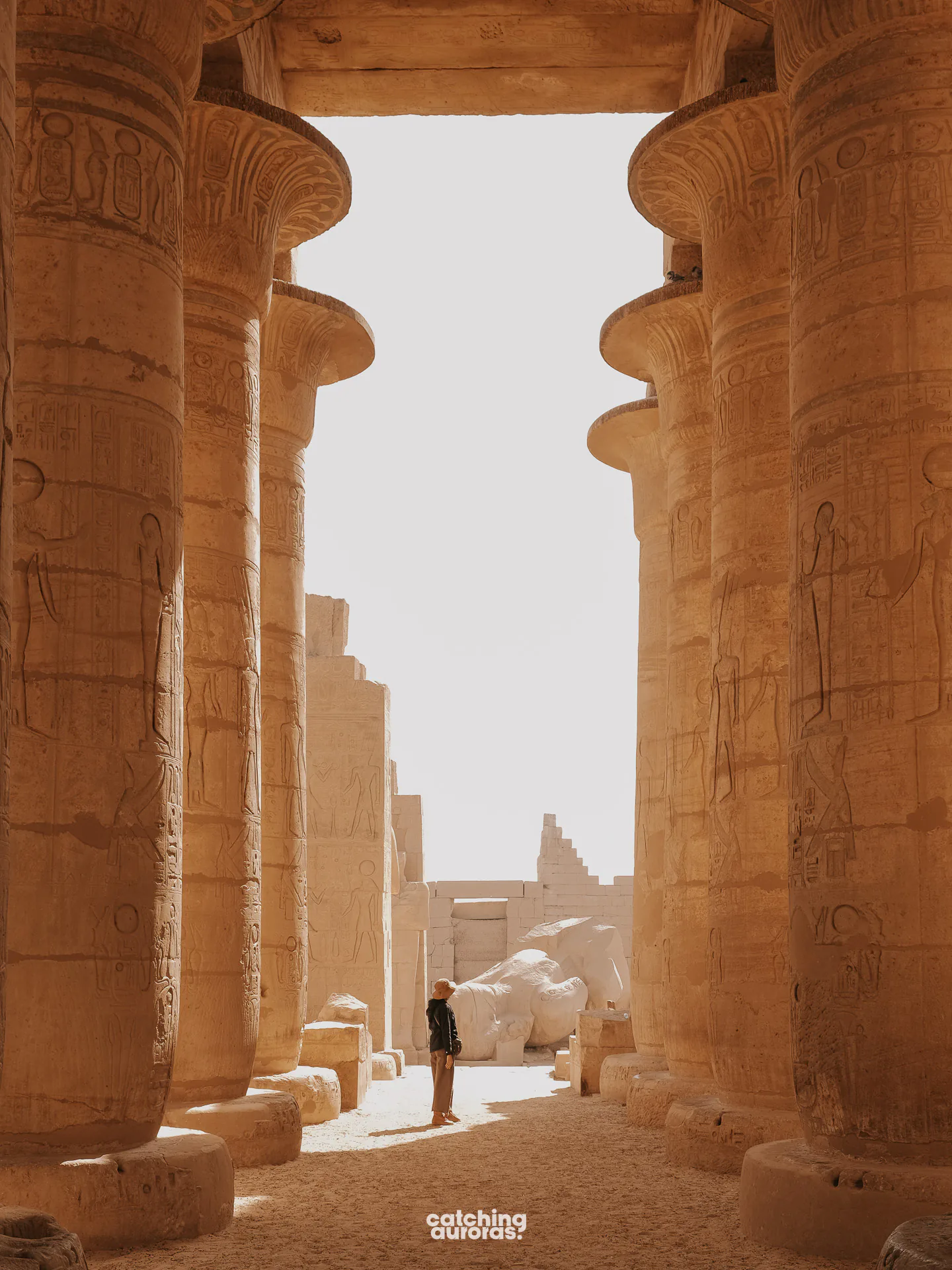
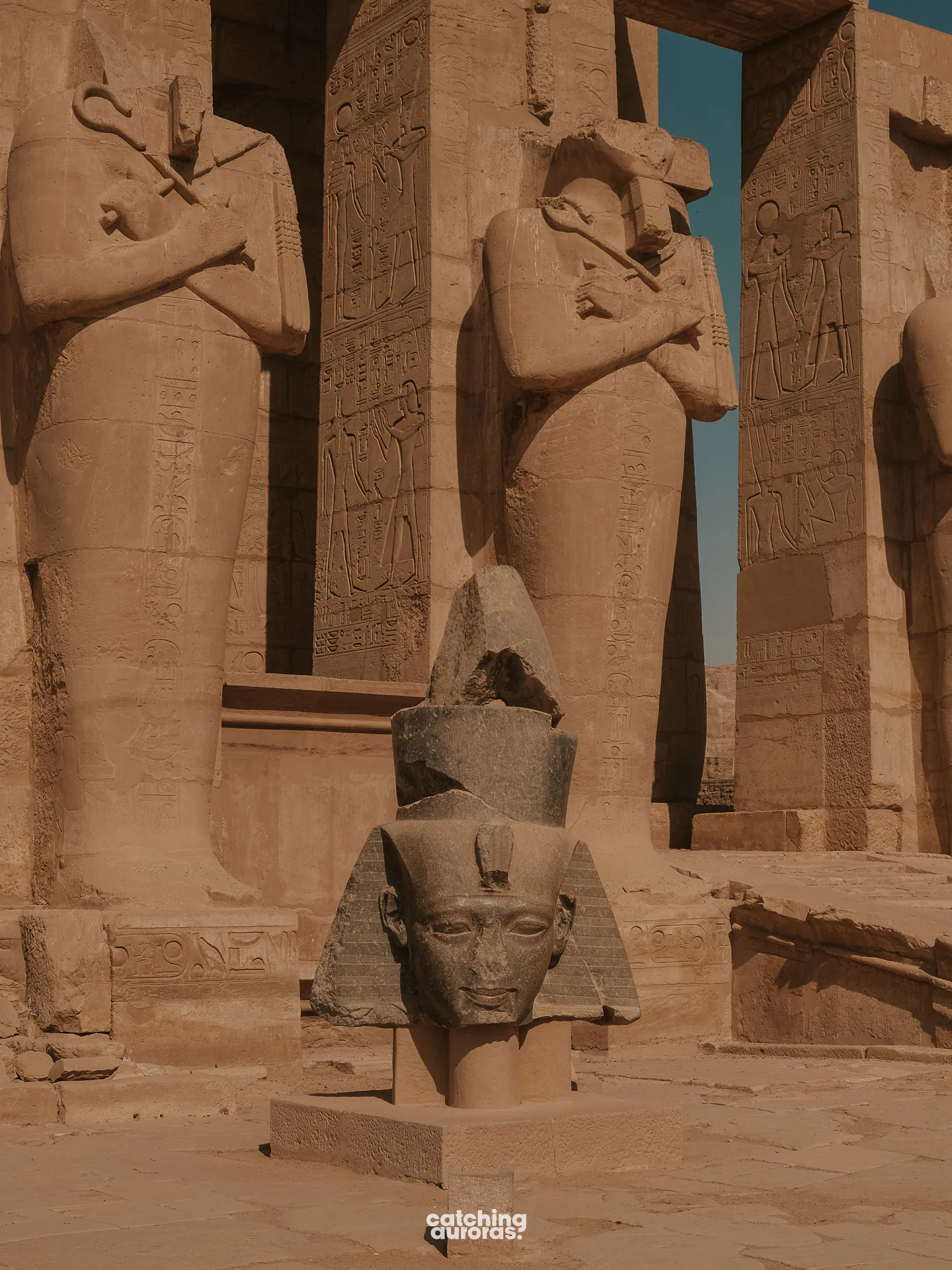
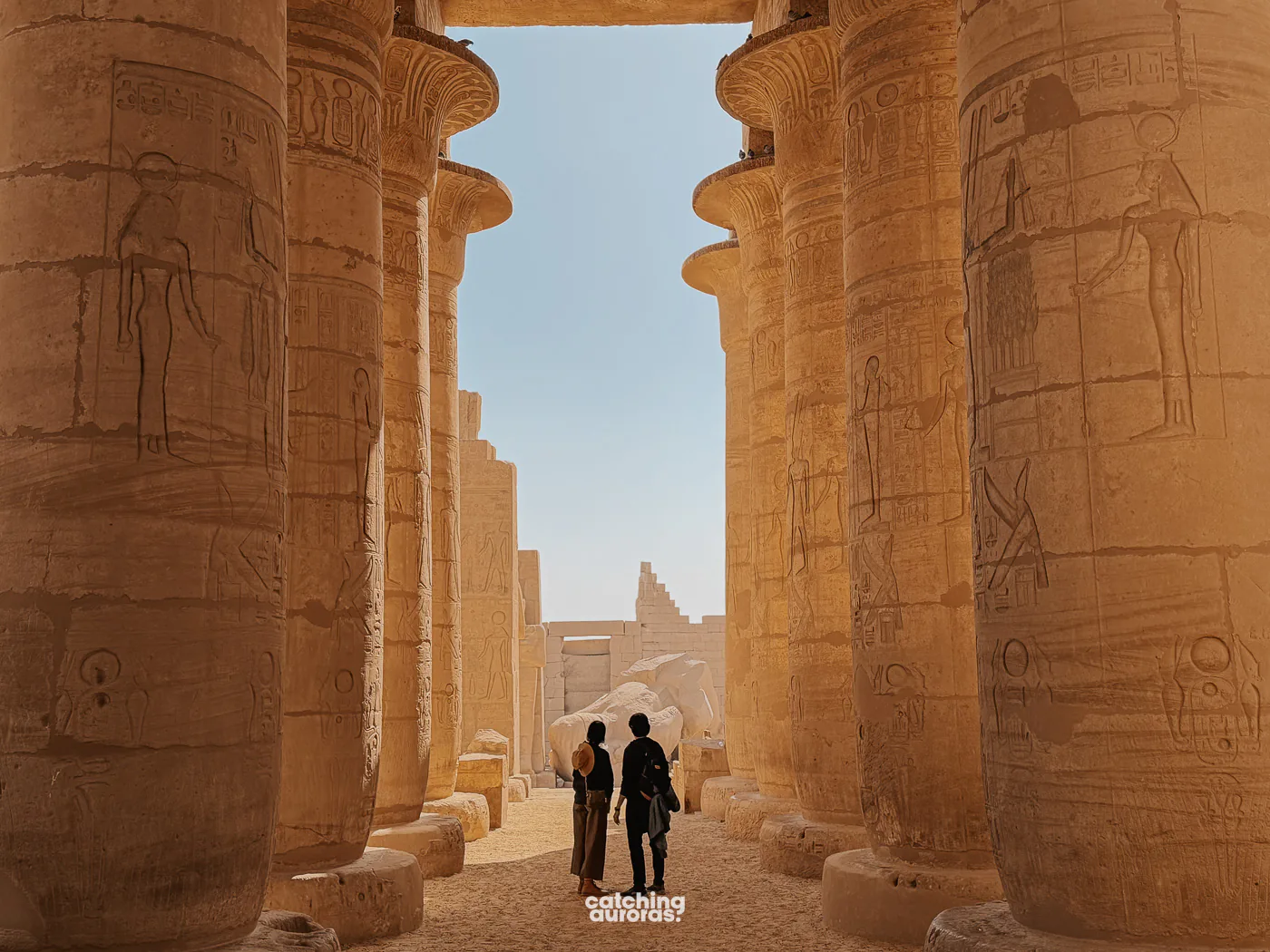
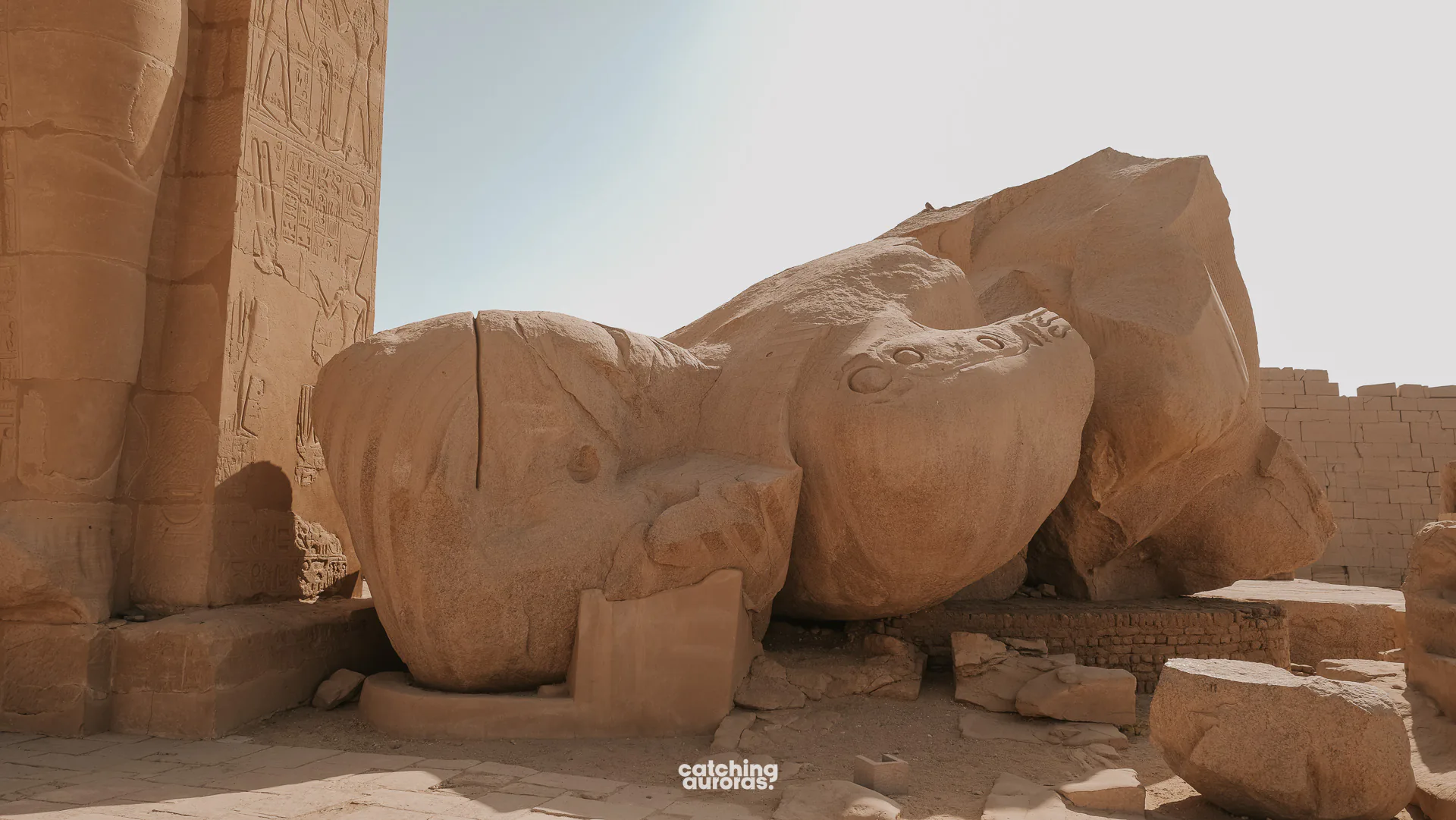
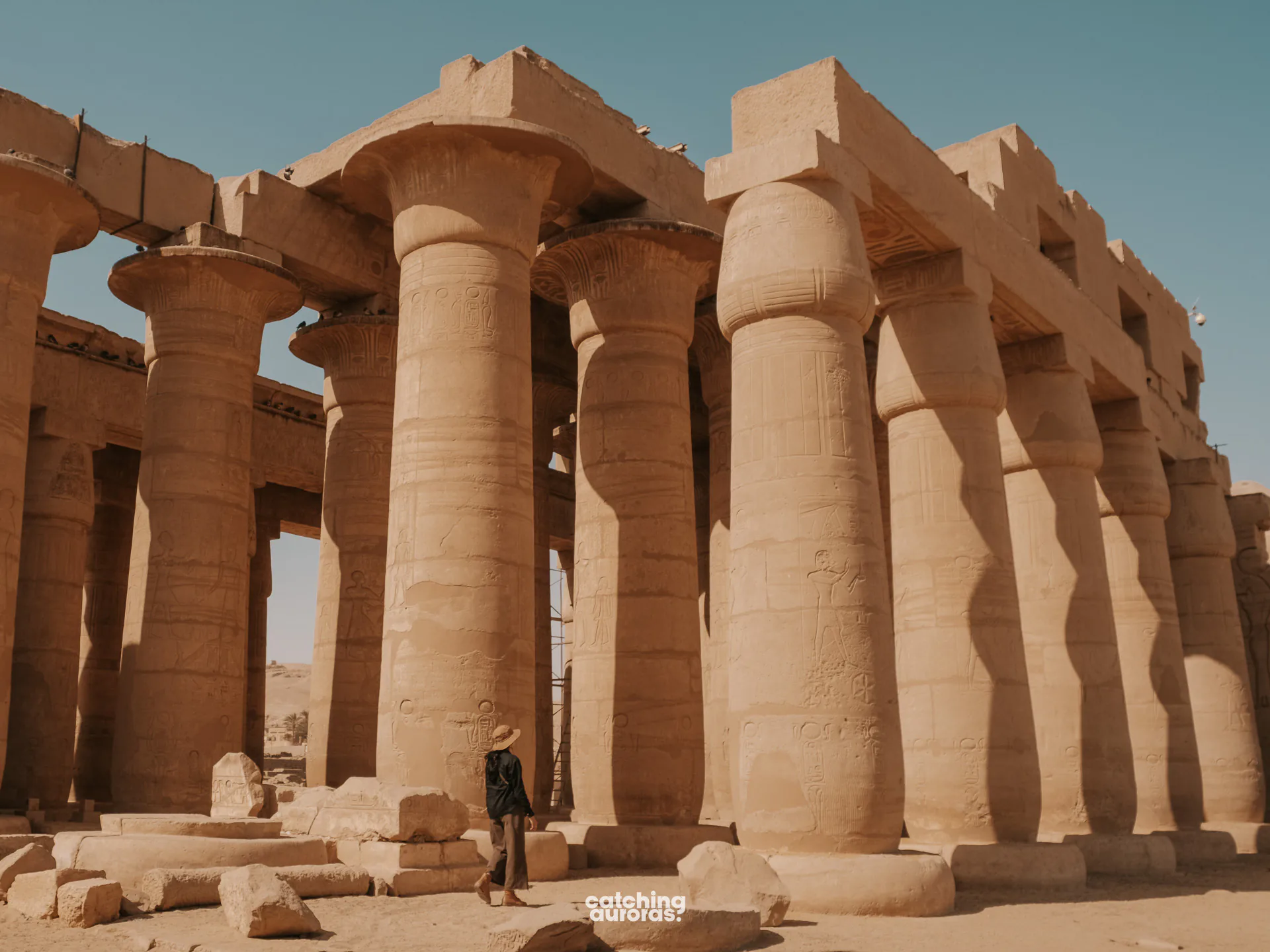
The hypostyle hall and the head of Ramses are not to be missed. In the second court, don’t miss the shattered head and shoulders of the once 1,000-tonne colossus of Ramses, which inspired “Ozymandias”.
Colossi of Memnon: stop, look and move on
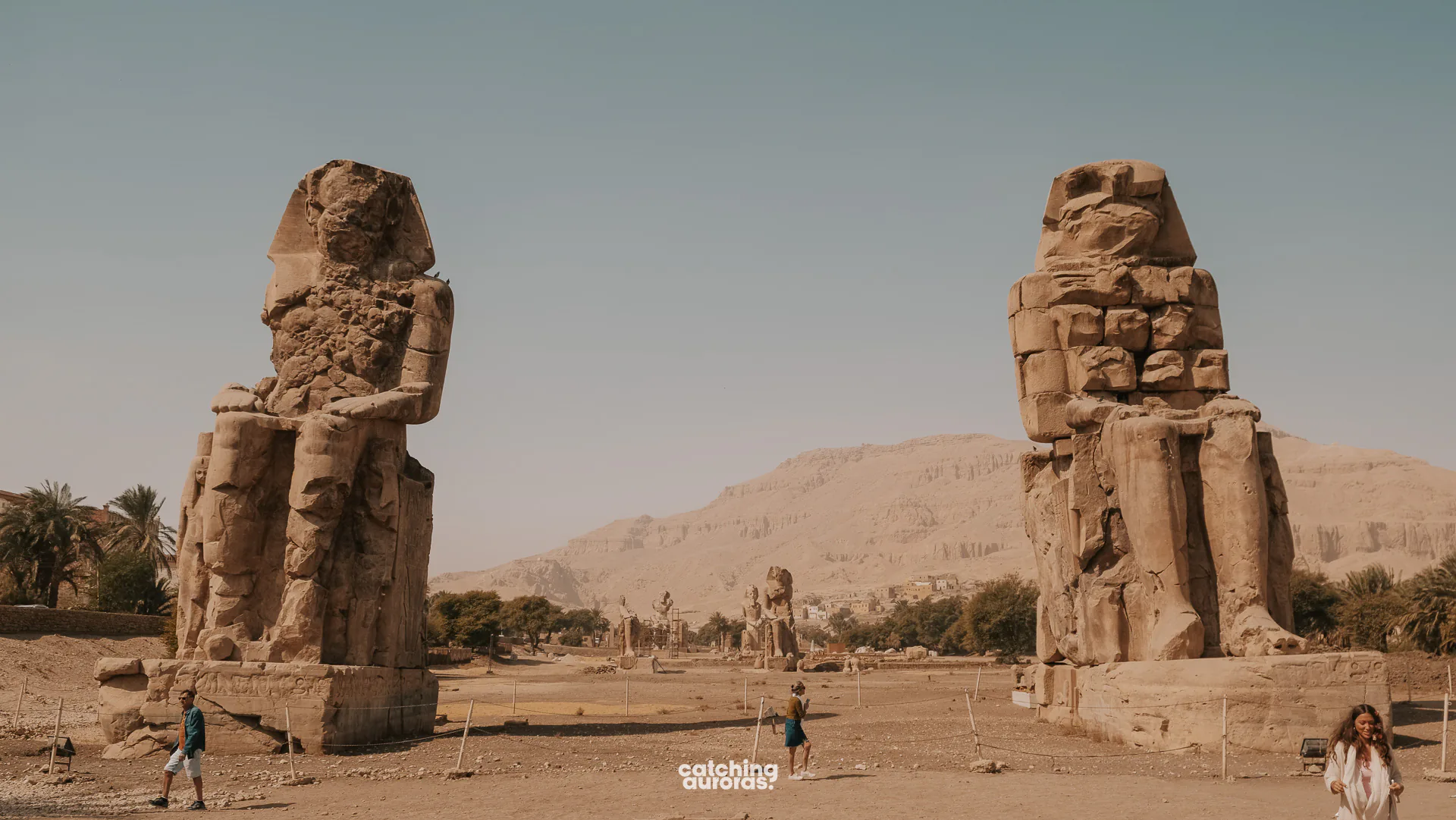
The Colossi of Memnon are two gigantic seated statues of Amenhotep III standing beside the road. They are a quick stop as you pass them by, and the entry is free. Ask for a five-minute stop from your driver.
The West Bank sites that are worth adding
If you still have time, add these to your West Bank itinerary:
- Medinet Habu: the mortuary temple of Ramesses III. Go for the deep, vivid reliefs and fewer crowds.
- Valley of the Queens: famous for the Tomb of Nefertari which has been closed since 2024 due to humidity concerns (last checked: September 2026).
- Deir el-Medina: the village of the workers who built the royal tombs.
- Tombs of the Nobles: less famous, beautifully painted, and a good choice if you want everyday-life scenes.
Luxor ticket prices and opening hours
Last checked: 9 September 2026. Prices are in Egyptian pounds for foreign visitors. Recheck the official page or ticket window before visiting. Tomb access and prices change.
| Site | Adult | Student | Official hours | Notes |
|---|---|---|---|---|
| Karnak Temple + Open-Air Museum | EGP 600 | EGP 300 | 6 AM–5 PM | Mut Temple is a separate EGP 200/100 ticket. |
| Luxor Temple | EGP 500 | EGP 250 | 6 AM–8 PM | Best visited late afternoon or after dark. |
| Valley of the Kings | EGP 750 | EGP 375 | 6 AM–5 PM | Usually covers three standard tombs. Tombs rotate, so check what is open that morning. |
| Tutankhamun’s tomb (KV62) | EGP 700 | EGP 350 | 6 AM–5 PM | Extra ticket; not included in the standard Valley of the Kings entry. |
| Ramesses VI’s tomb (KV9) | EGP 220 | EGP 110 | 6 AM–5 PM | Extra ticket; worth it for the ceiling. |
| Seti I’s tomb (KV17) | EGP 2,000 | EGP 2,000 | 6 AM–5 PM | Extra ticket and the most expensive, but the best-preserved tomb. |
| Temple of Hatshepsut | EGP 440 | EGP 220 | 6 AM–5 PM | The second most-visited site on the West Bank for a reason. |
| Medinet Habu | EGP 230 | EGP 110 | 6 AM–5 PM | One of the best-value West Bank sites. |
| Ramesseum | EGP 220 | EGP 110 | 6 AM–5 PM | Go for the ruined colossus, hypostyle hall and a quieter West Bank stop. |
| Tomb of Nefertari, Valley of the Queens | — | — | — | Has been closed since 2024 for humidity monitoring (last checked: Sept 2026). Ministry update |
How many days do you need in Luxor?
I would recommend at least two full days for Luxor. This gives you one day for the East Bank and one for the West Bank essentials without much room to linger.
Three days is better. It gives you a morning balloon ride or a slower West Bank day, plus time for Medinet Habu, the Luxor Museum, or a felucca ride.
One day works only if you have no choice. Do Karnak early, Valley of the Kings and Hatshepsut on the West Bank, then Luxor Temple at night. It will be a long day. You will be dead on your feet. It will still be better than skipping Luxor altogether.
If you have an extra day to spare, try visiting the temples around Luxor, like Dendera Temple Complex or Abydos.
A realistic 2–3 day Luxor itinerary
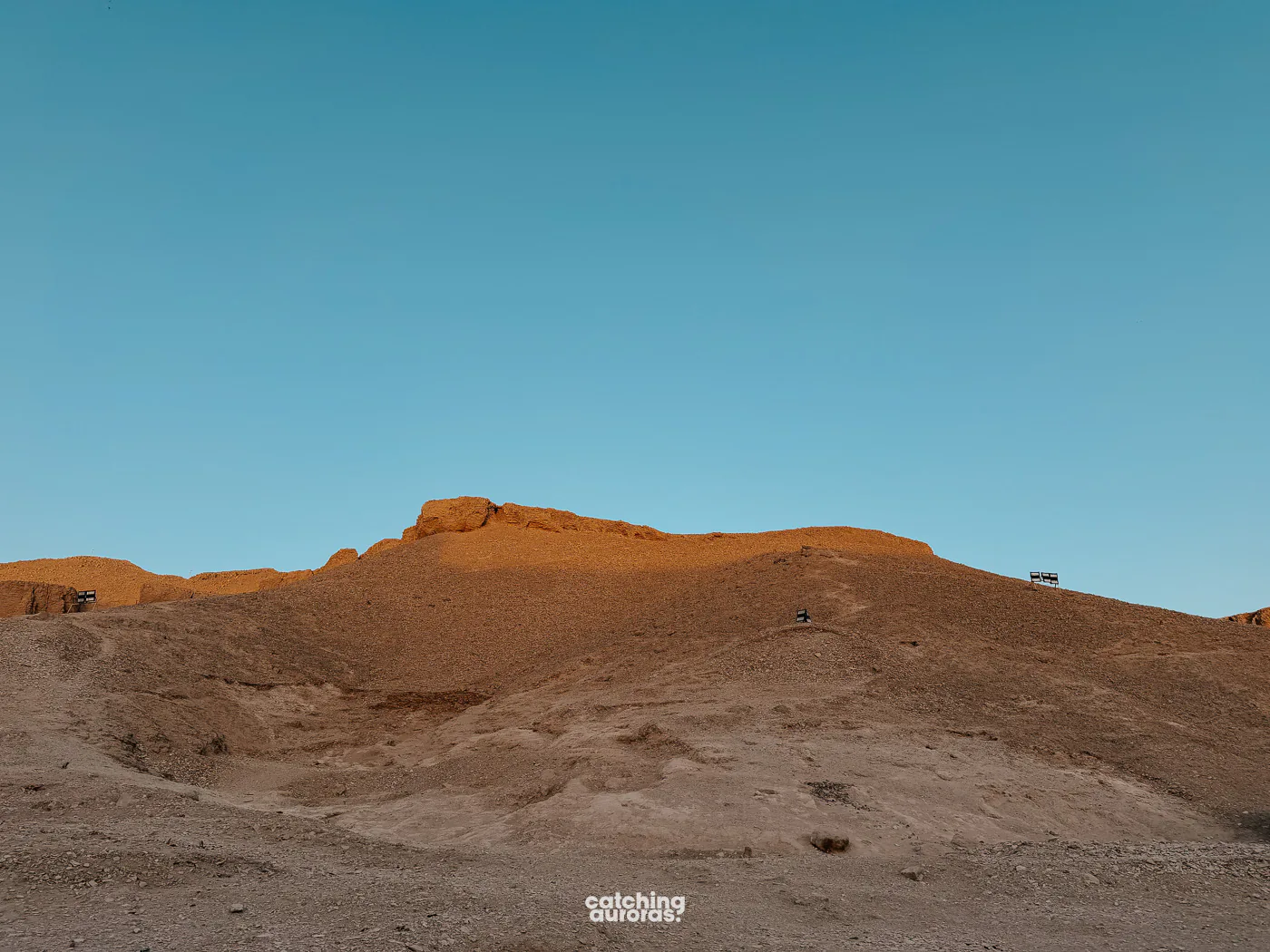
A two- or three-day Luxor itinerary needs a little structure, otherwise the West Bank turns into a blur of tombs, ticket booths and increasingly optimistic plans.
Day 1: Valley of the Kings, Hatshepsut and the West Bank
- Head to the Valley of the Kings first, preferably early in the morning, when it is still cool and less crowded.
- Visit the Temple of Hatshepsut
- Stop by Ramesseum and take in the temple with no one around.
- Visit Medinet Habu if you have time.
- Stop at the Colossi of Memnon for a quick photo break.
- If you started early, it should be lunchtime by now. There are numerous choices – Marsam is a favourite amongst many. But my favourite for vegetarian food, which is walkable from the West Bank ferry point, is Wannas Art Cafe.
- Head back to your hotel and rest. Walk along the corniche in the evening.
Day 2: Karnak, Luxor Museum and Luxor Temple at night
- Arrive at Karnak Temple close to opening. Plan to spend at least 3 hours here.
- Take a break and have lunch during the hottest part of the day.
- Visit the Luxor Museum if you enjoy artefacts and context. Otherwise, shop for souvenirs. There are so many great shops in and around the Corniche area.
- Head to the Luxor Temple around sunset and stay after dark. Walk a part of the Avenue of Sphinxes while you are there.
Day 3: balloon ride, a slower West Bank morning or a Nile afternoon
Use the third day for a hot-air balloon over Luxor, Deir el-Medina, the Valley of the Queens, the Tombs of the Nobles, a leisurely felucca ride or visit the Dendera Temple Complex.
Hot air balloon over Luxor: is it worth it?
A sunrise balloon ride over Luxor is one of those touristy experiences almost everyone seems to do. The photos look beautiful, but after having done the whole balloon thingy in Cappadocia, my curiosity was sated and I didn’t feel like wasting a morning here. I saw a few balloons while driving to the Valley of the Kings, but the air was dusty and I could hardly make them out. If you want the hundreds-of-balloons, is-this-real moment, Cappadocia does it better. But if you simply want to fly over the Nile and Luxor’s West Bank, you may still love the experience.
If you decide to go, know that it is weather-dependent. Flights can be cancelled, sometimes at the last minute, so book it for your first morning rather than the day you leave.
Getting around Luxor: taxi, ferry and bike
Luxor is manageable on your own, but it is not as walkable as the map makes it look.
Taxis and private drivers
Use a taxi (inDrive works best) for short East Bank trips and arrange a driver for a West Bank day. Agree the price, the currency, the exact stops and waiting time before getting in. Say whether the fare includes the return journey.
We had a bad experience with booking cabs in Luxor and since this was the end of our trip, our patience was running thin. All the car companies were quoting over US$80–100 to take us across to West Bank for the day, which was ridiculous. We then negotiated with an inDrive driver we booked that morning and he took us around for 1500 EGP.
Public ferry and private boats
The public ferry is the cheap, practical way to cross between the East and West Banks. Private boats and feluccas cost more but can be lovely when you are doing them for the experience. Confirm the price before you get in, including whether it is per person or for the boat. We took the public ferry from the West Bank to the East Bank and paid 50 EGP.
Biking on the West Bank
Bikes can work around the West Bank early in the morning, especially if you are staying there and are comfortable cycling in heat and the dust. I would not make this my first choice for a packed Valley of the Kings day. But if you are here for longer, bikes work well.
How to get to the West Bank from the East Bank and vice versa
Luxor’s East Bank and West Bank look close on a map, but they need completely different planning, including planning how to travel between them. You can either take the bridge route or the ferry route.
Public ferries, which all the locals seem to take, are cheap and take only 10-15 mins to cross the Nile. The prices seem to be different for the locals and the tourists, however. I expected it to be EGP 20 but the man at the counter showed a board and charged us 50EGP.
Where to stay in Luxor: East Bank vs West Bank
Choose your bank based on how you are planning to spend your evenings.
| East Bank | West Bank | |
|---|---|---|
| Best for | First-time visitors, restaurants, Luxor Temple, easier evening walks | Quiet mornings, Nile views, slower pace and West Bank access |
| Practical upside | Near the train station, Corniche, Karnak and Luxor Temple | Closer to tombs and mortuary temples |
| Trade-off | More traffic, touts and city noise | You have to cross the Nile for most East Bank plans |
| My default | Best for a short first visit | Best if you have three nights or want a quieter stay |
We stayed at the Winter Pavilion on the East Bank, which worked brilliantly because we spent the hottest part of the day at the hotel and could use the grounds it shares with the Winter Palace. Luxor Temple, the Corniche, restaurants and souvenir shops were all walkable from here.
Best time to visit Luxor and scams to avoid
The most comfortable months are generally October to April. Winter brings pleasant sightseeing weather and more visitors; summer brings fewer people and a level of heat that can deplete anyone’s energy.
Go early on the West Bank, carry plenty of water, a hat and plan your afternoon around air-conditioning, a museum, a pool or a nap.
Luxor is touristy and the number of scams and hassles here is ridiculous. Tourists call it the scam capital for a reason. I was hassled more in Luxor than anywhere else on the trip, and by the end I was fairly done with it.
- Taxi and caleche prices: agree the price and currency before you get in. Ask whether it is for the whole carriage/taxi or per person. Cabs in Luxor have a habit of quoting prices in euros or dollars, even when you are in Egypt and are neither European nor American.
- “My friend has a shop” detours: you do not need to visit anyone’s friend’s shop on the way to Karnak or the Valley of the Kings. If you are on a tour, the guides will take you to random papyrus shops and factories and make you spend more time there than in actual historic sites. It’s frustrating.
- Uninvited guides: ask the official guide price at the ticket office or book a guide through your hotel/known platform. Random guards would approach us, point at a random wall, or an obvious sarcophagus in a tomb, explain something and hold out their hand for baksheesh. I stopped being friendly and politely pretended not to hear them after the first few encounters.
- Temple-ticket confusion: buy tickets from official ticket windows or the Ministry of Tourism and Antiquities’ official platform. Check which tombs are included and which require an extra ticket.
- Photographs: ask before photographing people, and confirm the rules inside tombs. Rules, tomb access and camera fees can change.
- Be ready to be approached by touts right outside your hotel offering a cab, a horse-cart, a felucca and even the moon. You get used to it after a while. Learn to walk away and not engage.
Luxor has a way of sucking away its tourists’ spirits with its sheer number of touts and scams. Happened to me and will keep happening to other travellers too unless things drastically change like in the Giza Plateau. But the weight of history it bears somehow makes up for the rest of it. Take a little extra time to slow down and notice the painted ceilings, the tiny details on a wall. Imagine what it must have felt like to discover these temples after centuries beneath the sand. Imagine what Carter saw when he opened Tutankhamun’s tomb. Somehow you will want to come back and visit it again, anyway.