
Capital
Cairo

with notes for Indian travellers
Updated: October 21, 2026
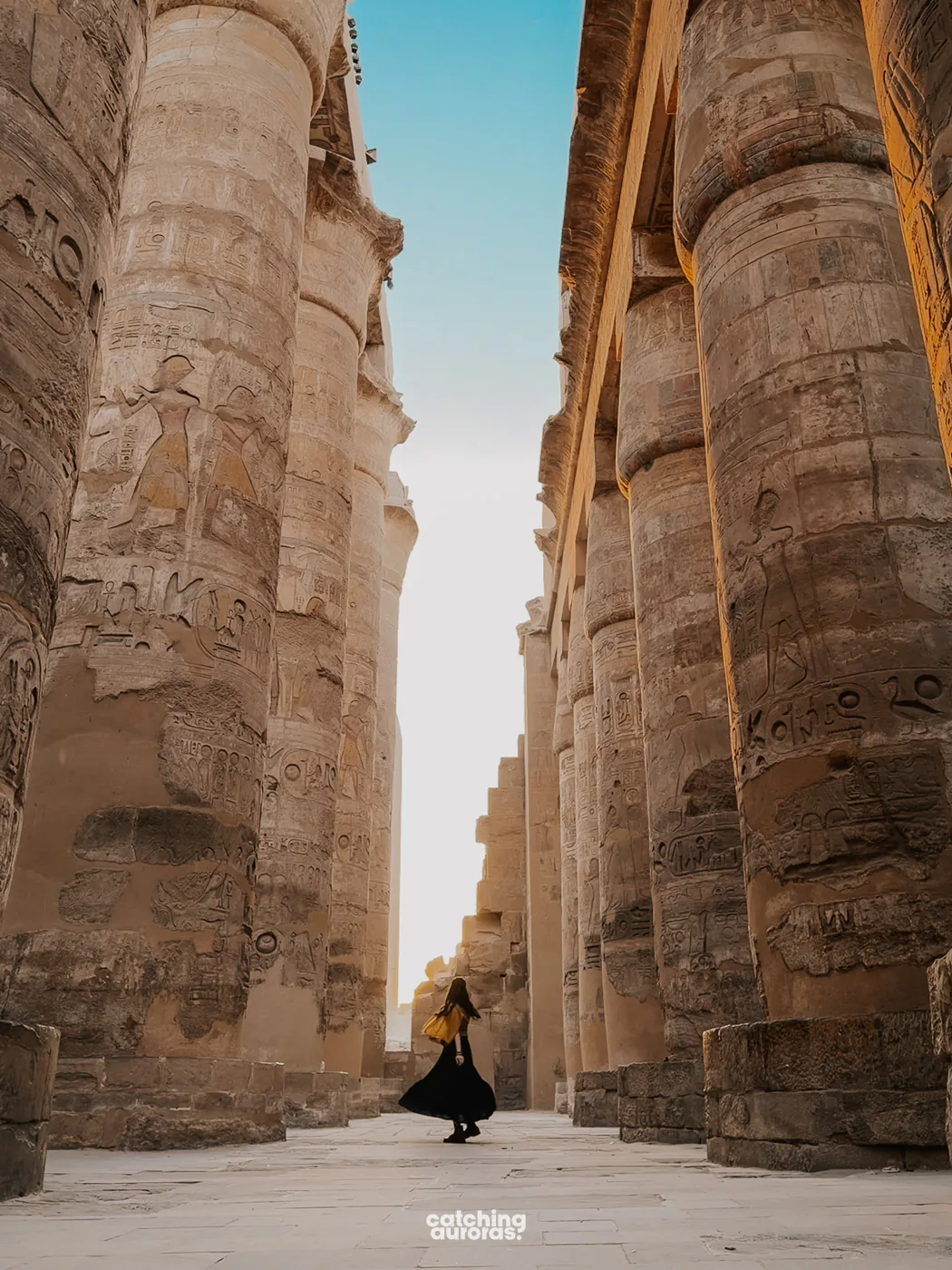
Cairo
Egyptian Pound (EGP / E£)
EET (UTC +2)
Arabic
We went in January and it was perfect — warm enough for the river, cool enough for the temples, and for us, early risers, not really that crowded.
Last verified — May 2026
Yes, Indian passport holders need a visa for Egypt, but the good news is it's a proper online e-Visa, no embassy run, no biometrics. You apply at the official portal visa2egypt.gov.eg, pay around US $25 for single-entry, and get the approval emailed to you in about a week.
I believe there is a ~7h direct flight from Delhi launched recently. From everywhere else in India you’re still routing through Doha, Dubai, Muscat, or Kuwait, which adds 4–8 hours of layover but often comes out cheaper.
I flew Bangalore → Cairo via Abu Dhabi — a 13 hours flight including the layover.
Even for a budget trip, entrance tickets to sites cost a lot and its not something you can avoid. I have probably low-balled the entry ticket pricing here.
| Category | Budget | Mid-range | Splurge |
|---|---|---|---|
| Stay | ₹1,200+/night | ₹5,000+/night | ₹20,000+/night |
| Food | ₹ 500 | ₹1,200 | ₹3.500 |
| Sites & Transport | ₹1,200/day(entry tickets + local trains/Uber) | ₹2,000/day(entry +private taxis between sites) | ₹5,000+/day (private driver, guide) |
| Daily total | ~₹2,900 | ~₹8,200 | ~₹28,000+ |
EgyptAir flies Cairo to Luxor / Aswan / Hurghada in about an hour. Worth it if you're short on time; trains are part of the experience if you're not.
Buses (GoBus, Blue Bus) are cheaper than trains, slower, less comfortable. Useful for Hurghada and Sinai.
The state-run sleeper trains run Cairo → Luxor → Aswan. Book through the official site or at the station counter as agents at hotels will mark up by 50%+. Expect delays as everything runs on "Egyptian time".
For travel inside Cairo, Cairo Metro is useful and costs about E£10. Three lines, basic English signage, fastest way across the city.
Uber and Careem work in Cairo, Alexandria, and Hurghada. Cheaper and less stressful than haggling with street taxis.
In Luxor and Aswan you'll mostly use taxis or feluccas. There is no Uber here but InDrive works.
Nile cruises - Run between Luxor and Aswan (3–5 nights, stopping at Edfu and Kom Ombo); Not worth it unless you want the floating-hotel experience.
Public ferry (Luxor) - The local boat between East Bank and West Bank costs E£10(they charged us E£50), runs all day, and is what locals use; ignore the touts at the dock offering a "private" motorboat.
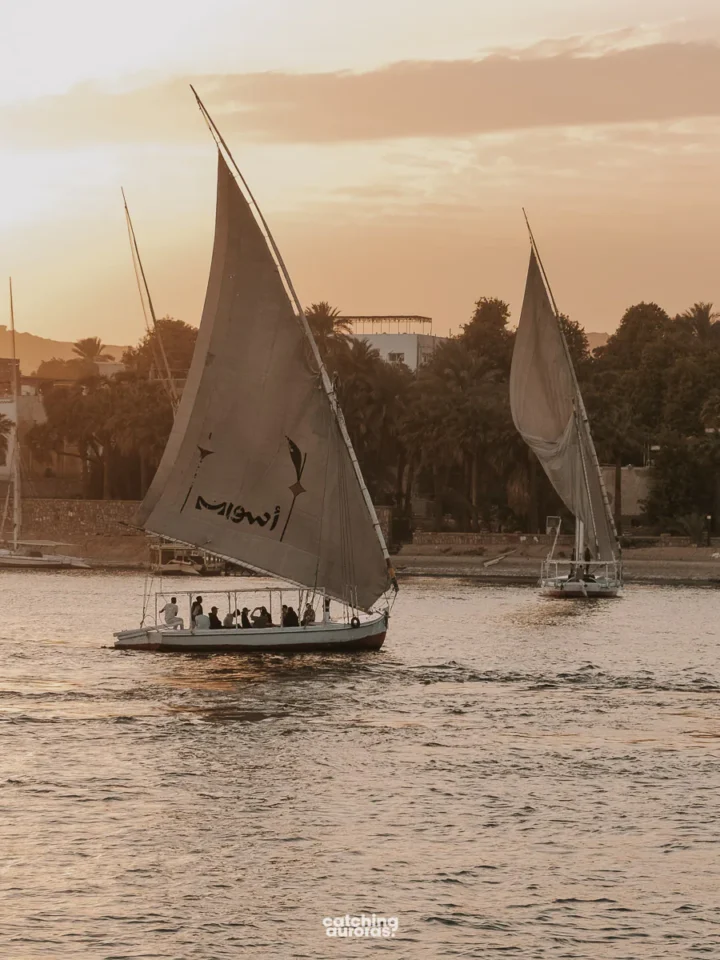
Felucca rides - best done at sunset in Aswan; agree the price upfront per boat
Egypt felt physically safe but what's exhausting isn't crime, it's the constant low-level pressure: touts, hawkers, "free" things that aren't free, and the assumption that you, as an obvious tourist, exist to be sold to. By day three you'll have your "no thank you" voice down. Keep it polite, keep it firm, and don't engage.
Doable but more demanding than most Asian destinations. Dress modestly outside Red Sea resorts (shoulders and knees covered, especially in Upper Egypt and Cairo's older quarters). Catcalling happens; physical safety is generally fine.
Petty pickpocketing is rare. Scams are constant - fake "free" perfume samples, "the temple is closed, come to my shop instead", inflated taxi fares, drivers tripling the agreed price at the destination.
Private hospitals in Cairo (As-Salam International, Dar Al Fouad) are good but expensive; travel insurance is non-negotiable.
Tap water is not safe to drink - buy bottled (large jerrycans are cheaper)
Sinai's interior and the Western Desert near the Libyan border are still subject to travel advisories - stick to the Nile Valley, Cairo/Giza, Alexandria, and the Red Sea coast (Sharm el-Sheikh, Hurghada, Marsa Alam). Don't photograph military or police installations, including some bridges and government buildings.
Egypt speaks Egyptian Arabic. English is decent in Cairo and tourist sites; in smaller towns and at temples, a few Arabic phrases will earn you genuine smiles and (sometimes) a better price.
| English | Arabic |
|---|---|
| Hello | As-salaam alaikum |
| Hello (casual reply) | Wa alaikum as-salaam |
| Thank you | Shukran |
| No, thank you | La, shukran (you will use this 50× a day) |
Yes, Egypt is considered safe in major tourist areas like Cairo, Luxor, Aswan, and the Red Sea resorts. But stay aware of conflicts in the surrounding countries and plan ahead.
Most travelers need a visa, which can usually be obtained as an e-visa or on arrival depending on your nationality.
Ideally 7–10 days to cover Cairo, Luxor, and Aswan. Add more time if you want a Red Sea stay or a slower itinerary.
Maybe, if you are going with a reputed company. However, if you are short on time and budget, I would suggest you to skip it and just do a Felucca ride on the Nile instead.
Light, breathable clothing that covers shoulders and knees is recommended – especially for women in non-touristy areas.
Yes, English is widely spoken in tourist areas, hotels, and by guides.
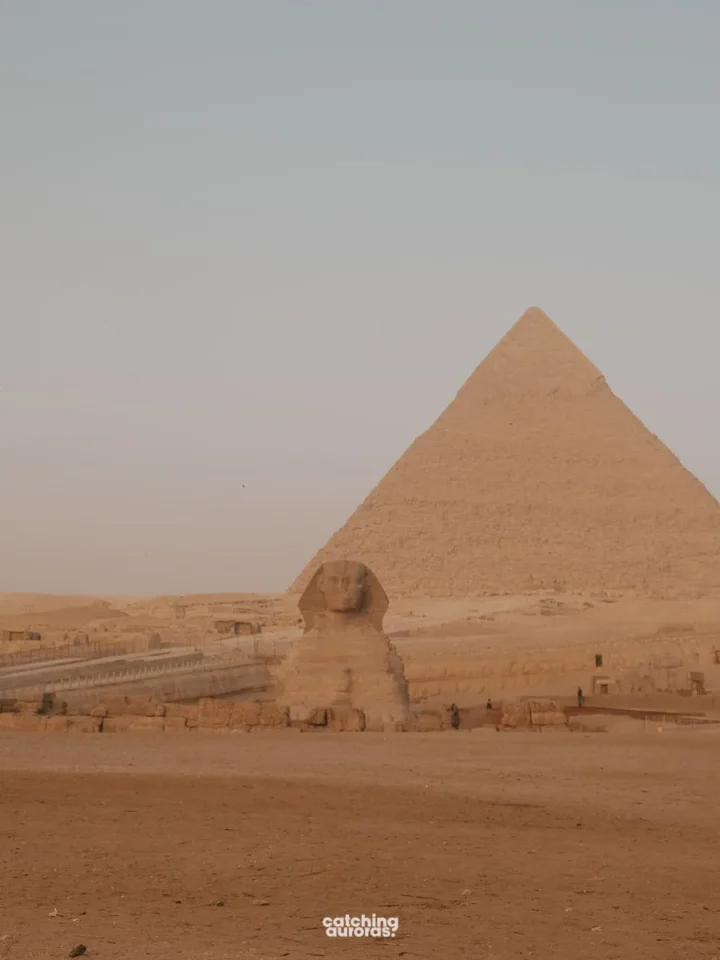 Egypt · Itineraries
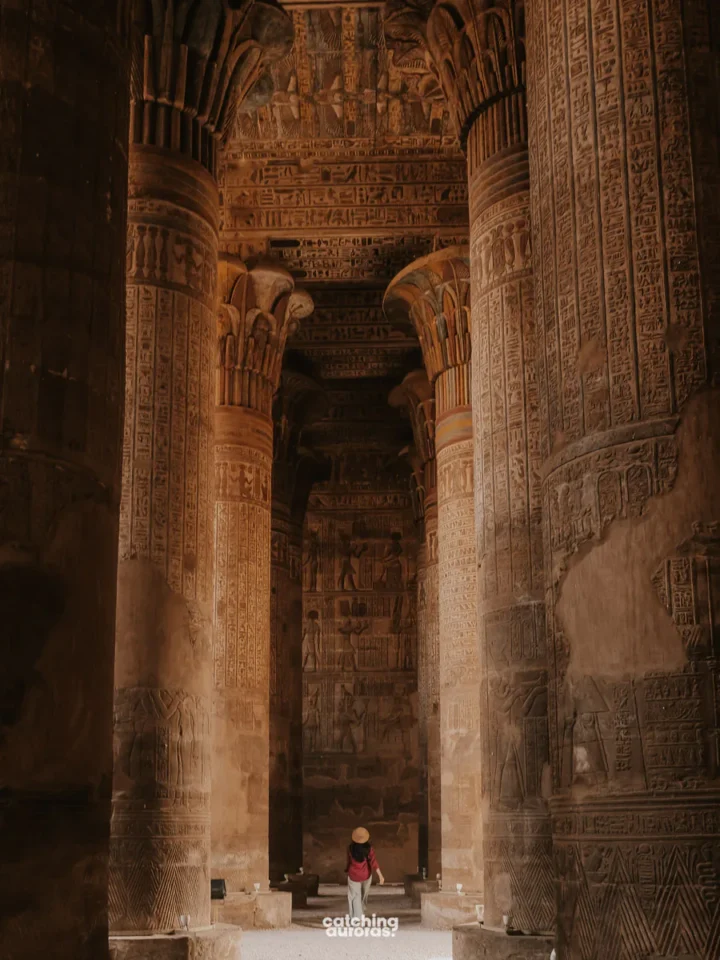 Egypt · Guides
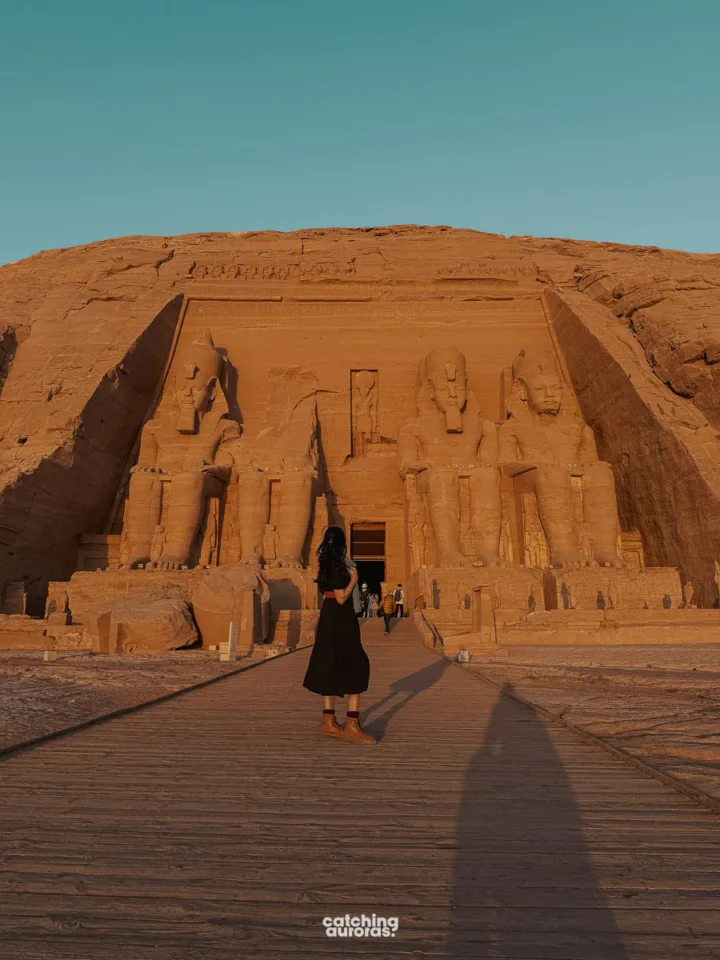 Egypt · Guides
 Egypt · Guides
 Egypt · Guides
 Egypt · Guides
 Egypt · Guides


